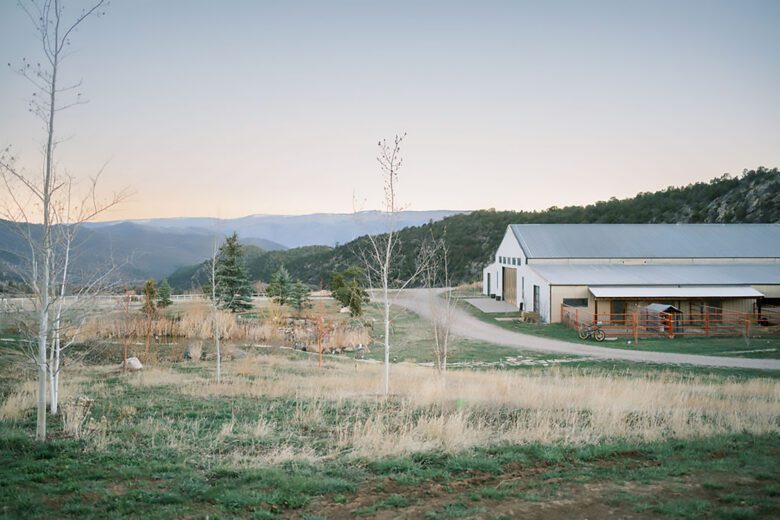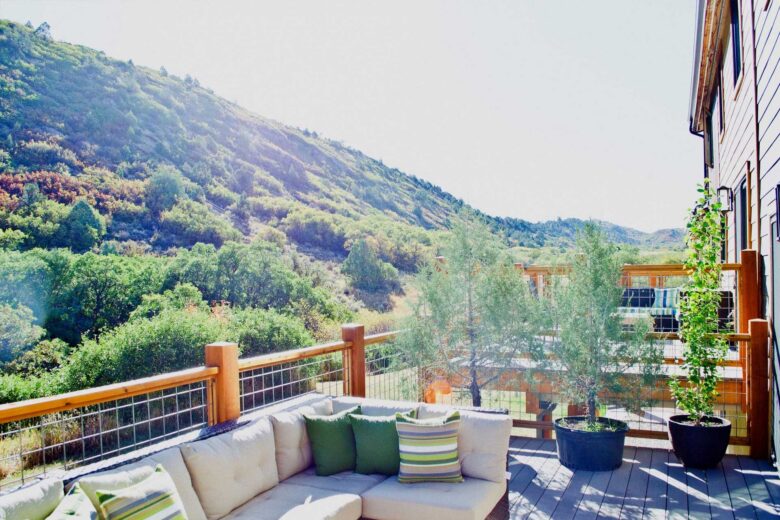
4Winds Farm is a private, women-only healing campus and residential trauma recovery program set on 134 secluded acres in Glenwood Springs, Colorado. It is designed for women seeking a confidential, nature-based setting for women’s residential trauma treatment, away from daily responsibilities. Programs are individualized and generally run 30 to 90 days, combining licensed trauma therapy with body-based and experiential approaches selected for each woman’s needs. You can read more about the program structure.
What Is Residential Trauma Treatment?
Residential trauma treatment is a live-in model: a woman stays on-site for a defined period, generally 30 to 90 days, rather than attending scheduled sessions and returning to her regular routine in between. This structure can give some women more sustained time and fewer day-to-day interruptions to focus on trauma-related work, alongside licensed clinical care.
This does not mean residential care is inherently better than outpatient therapy, or that weekly sessions cannot work. Outpatient therapy is a well-established, valuable form of care that fits around work, family, and daily life, and it remains the right fit for many people. Residential care is simply a different structure — more contained and more immersive for the length of the stay — that some women consider at a particular point in their recovery.
How Is Residential Care Different From Outpatient Therapy?
Outpatient therapy typically involves a session or two each week, worked in around an existing schedule. A trauma recovery program for women delivered residentially instead offers day-to-day support inside a dedicated setting for a set stay. Neither approach is universally superior; they serve different needs, and many women move between the two at different stages, using residential care alongside — not as a replacement for — ongoing outpatient support.
Who Might Consider Residential Care?
Many women who consider residential care describe themselves as high-functioning: they have built careers, raised families, or managed households while also carrying anxiety, grief, burnout, or the effects of past trauma. Being outwardly capable does not mean the underlying difficulty is minor, and some women find that a period of more focused, structured time is easier to access away from ongoing daily demands.
This article does not diagnose or describe treatment for any specific condition. Whether residential care is appropriate for a particular person is a clinical determination made with a licensed provider, based on that woman’s history, needs, and current circumstances.
Candidacy and Length Are Individualized Clinical Decisions
There is no single profile that determines fit, and there is no fixed length of stay that applies to everyone. Whether someone is a suitable candidate for the program, which approaches are used, and how long a stay lasts are decided individually, through clinical assessment — not by a fixed program schedule or checklist. A stay generally falls somewhere in the 30- to 90-day range, but the specifics are worked out case by case.
What Approaches Does 4Winds Farm Use?
Care at 4Winds Farm is delivered by a clinical team and can draw on a range of healing therapies, depending on what is clinically appropriate for each woman. These may include:
Licensed individual trauma therapy
Somatic Experiencing® and other nervous-system regulation practices
Group integration with other women in the program
Equine-assisted experiential therapy
Breathwork and other embodied practices
Jungian-informed shadow exploration
Nature- and land-based experiences
Not every participant receives every modality. A clinical team determines what is appropriate for each woman based on her history and needs, and approaches are adjusted over the course of a stay rather than following one fixed sequence.
Psychedelic-Assisted Therapy
Where clinically appropriate and legally supported, psychedelic-assisted therapy may be part of a woman’s individualized treatment plan. It is not offered to every participant and is used only within applicable legal and clinical guidelines.
About Somatic and Body-Based Work
Approaches like Somatic Experiencing® focus on helping a person notice and work with physical sensations connected to stress and past experience, as one part of a broader course of trauma-informed care. This work is intended to support nervous-system regulation over time; it is not a mechanism for permanently “releasing” or “resetting” the nervous system, and outcomes vary from person to person.
Why a Women-Only Setting?
4Winds Farm operates as a women-only environment. For some women, a single-gender setting can feel more comfortable for group work and shared conversation, particularly around topics they may be less inclined to discuss in a mixed-gender group. This is a preference some women have, not a guarantee of a particular therapeutic outcome — comfort and pace of engagement differ from woman to woman, and a women-only setting does not by itself resolve every concern a person may have about privacy or safety.
Retreats, Intensives, and Residential Care Are Not the Same
It’s worth being clear about what 4Winds Farm is not. A short women-only trauma retreat or a multi-day intensive workshop is generally focused on education, community, or general wellness over a few days. 4Winds Farm is residential clinical care: a longer, individualized stay built around licensed trauma therapy and clinical oversight, not a brief group retreat. Women considering their options should weigh these as genuinely different kinds of experiences suited to different goals.
The Campus and Setting
4Winds Farm’s campus sits on 134 secluded acres in the Colorado Rockies. The setting is part of the program’s design: distance from daily obligations and a private, secluded property are intended to reduce everyday interruptions while a woman is in care, supported by clinicians, facilitators, and other women in the program. The land and setting are a complement to clinical treatment, not a substitute for it.
What This Program Does Not Provide
4Winds Farm is a residential trauma-focused program for women, and it is not a substance use treatment program, a facility for acute psychiatric crisis or emergency stabilization, or a provider of general medical care. Women who need emergency psychiatric care, medical detoxification, or acute medical treatment should seek care through appropriate emergency or specialized services. A clinical intake conversation can help determine whether 4Winds Farm’s program is an appropriate fit or whether another type of care would serve better.
What to Expect Clinically
Women in the program work with a clinical team on an individualized plan that may combine talk therapy, body-based approaches, group work, and time in a natural setting. Progress and pace differ from person to person, and the program does not promise a specific result, timeline, or outcome. The aim is to offer sustained time, clinical support, and a private setting in which a woman can do trauma-related work at her own pace, alongside — not instead of — any ongoing outpatient care she may continue afterward.
Conclusion
Residential trauma treatment is one possible level of care, and suitability and program length should be assessed individually. To ask whether a current 4Winds Farm program may fit your needs, call 970-279-1114 or email admissions@4winds.farm.