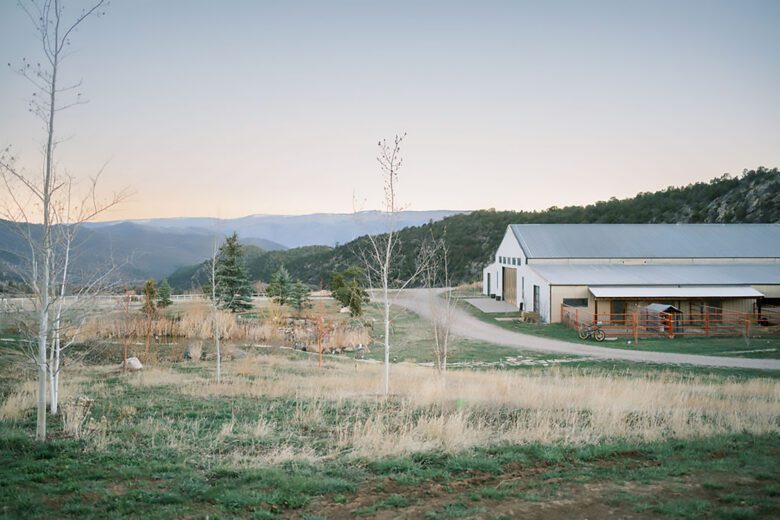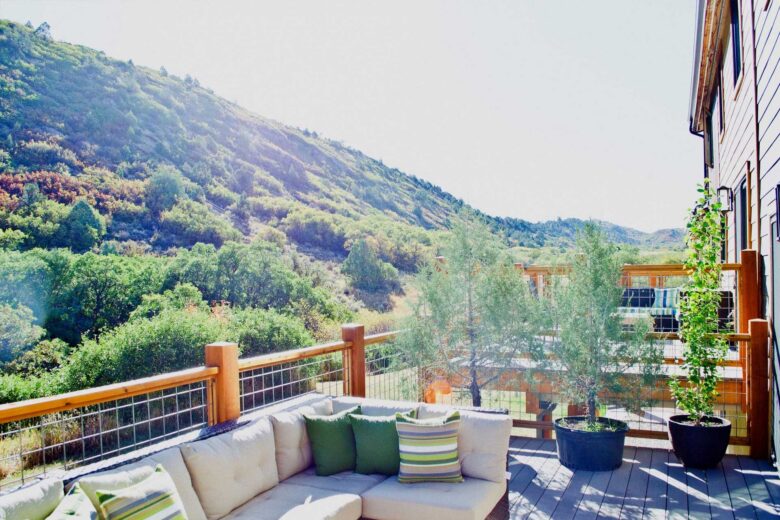
“Healing therapy” is not a licensed clinical credential or a single treatment method; it’s a broad, everyday phrase people use to describe individualized care for trauma and emotional distress. At 4Winds Farm, that care is built around licensed mental health therapy that may be complemented by somatic, experiential, and nature-based practices. Programs take place on a private, women-only campus spanning 134 secluded acres near Glenwood Springs, Colorado.
What Does “Healing Therapy” Actually Mean?
When someone searches for healing therapy for trauma, they’re often looking for options beyond a single weekly session, not necessarily a specific method or certification. The term describes an approach rather than a protocol. At 4Winds, it refers to licensed, individualized trauma therapy that can be paired with somatic and experiential modalities, depending on what a woman and her care team determine may be helpful.
Why Trauma Recovery Looks Different for Each Woman
Talk therapy helps many people process and manage trauma symptoms over time. For some women, steady progress continues through ongoing outpatient sessions. For others, recovery may benefit from additional support alongside individual therapy, not because talk therapy has failed, but because people respond differently to different combinations of care.
A few factors can influence how trauma recovery unfolds:
- Temperament: stress reactivity varies from person to person
- Genetics: biological factors may influence vulnerability and resilience
- History of exposure: the nature and duration of past stressors can shape recovery timelines
Because these factors vary, no single format works the same way for every woman. Some women appear outwardly successful, managing careers, households, and relationships, while privately carrying unresolved trauma. This isn’t a diagnosis or a rule that applies to everyone; it’s one reason a woman might consider integrative trauma therapy for women that looks beyond symptom management alone.
What Integrative Care at 4Winds May Include
4Winds structures care around licensed mental health treatment that may be complemented by additional modalities, depending on individual needs and clinical judgment. Depending on the program and a woman’s individualized treatment plan, care may include:
- Licensed individual trauma therapy and group integration sessions
- Somatic Experiencing®, a body-oriented approach used alongside talk therapy
- Nervous-system regulation practices, including breathwork and other embodied practices
- Equine-assisted experiential therapy
- Jungian-informed shadow exploration
- Nature-based experiences on the Colorado campus
For some clients, and only where clinically appropriate and legally supported, psychedelic-assisted therapy may also be considered as part of a broader, individualized treatment plan under licensed clinical supervision.
These somatic healing modalities are offered as complements to licensed therapy, not replacements for it.
How Somatic and Experiential Practices May Support Healing
Somatic practices focus on physical sensations, breath, and movement alongside verbal processing. For some people, this combination may support a greater sense of calm and body awareness during trauma recovery. These practices aren’t a substitute for licensed mental health treatment, and their effects vary from person to person.
Equine-assisted experiential therapy invites a different kind of engagement: working with horses can surface patterns in trust, communication, and emotional regulation for some participants. Breathwork and other embodied practices are offered as tools some women find useful for grounding and self-awareness, though outcomes are individual and not guaranteed.
A program built around holistic mental health care typically layers several approaches together:
- Licensed individual and group therapy
- Nervous-system-focused practices such as breathwork
- Equine-assisted experiential therapy
- Nature-based time on the campus grounds
- Jungian-informed exploration of unconscious patterns, for clients for whom this approach is a fit
Retreats, Intensives, and Residential Care: What’s the Difference?
Not every option described as healing therapy looks the same, and the differences matter when deciding what might fit.
- Short retreats (typically a few days) offer focused time for reflection, education, and introducing new practices. They can be a starting point, but they’re brief by design.
- Week-long intensives provide more sustained, structured time than a retreat, often combining daily sessions with experiential work, still a defined, short-term container rather than ongoing residential care.
- Residential programs, like those at 4Winds, generally run 30 to 90 days. This longer timeframe allows licensed clinical therapy, group work, and experiential practices to unfold over weeks rather than days, with ongoing clinical oversight throughout.
Choosing among these options depends on a woman’s circumstances, clinical needs, and what her care providers recommend, not on one format being inherently better than another.
Is a Residential Program the Right Fit?
A residential setting removes some day-to-day obligations for a defined period, which may allow more consistent focus on therapy and experiential work. At 4Winds, this takes place on a private, 134-acre campus in Glenwood Springs, Colorado, serving women exclusively.
It’s important to be clear about scope: 4Winds Farm is not structured to treat substance use disorders, acute psychiatric crises, or medical conditions requiring emergency or inpatient medical care. Women experiencing a mental health emergency should contact local emergency services or a crisis line before considering any residential program.
Deciding whether a women’s trauma retreat, an intensive, or a longer residential stay is appropriate is a decision best made together with a licensed clinician who can assess individual needs.
What to Consider Before Choosing a Program
A few practical questions can help guide the decision:
- Does the program combine licensed clinical care with any additional modalities, and are those modalities offered by qualified providers?
- Is the length of the program, retreat, intensive, or residential, matched to your circumstances and your clinician’s recommendations?
- Does the setting and format feel appropriate for your needs, including privacy and level of clinical support?
A Note on What Healing Can Look Like
Recovery from trauma isn’t linear, and experiences differ from person to person. Combining licensed therapy with somatic or experiential practices may support whole-person healing for some women, though results vary and no approach can promise a specific outcome. What integrative care offers is more time, more entry points, and a structure built around individualized attention, not a guarantee of resolution.
Conclusion
In closing, integrative healing therapy asks for more than symptom management—it asks for a return to wholeness. At 4Winds Farm, we hold that process with both clinical rigor and reverence for the body’s innate wisdom, blending licensed therapy, somatic practice, and community within the privacy of our Colorado campus. For women ready to move beyond coping into true integration, this balance of science and spirit offers a path back to safety, clarity, and self-trust that lasts.