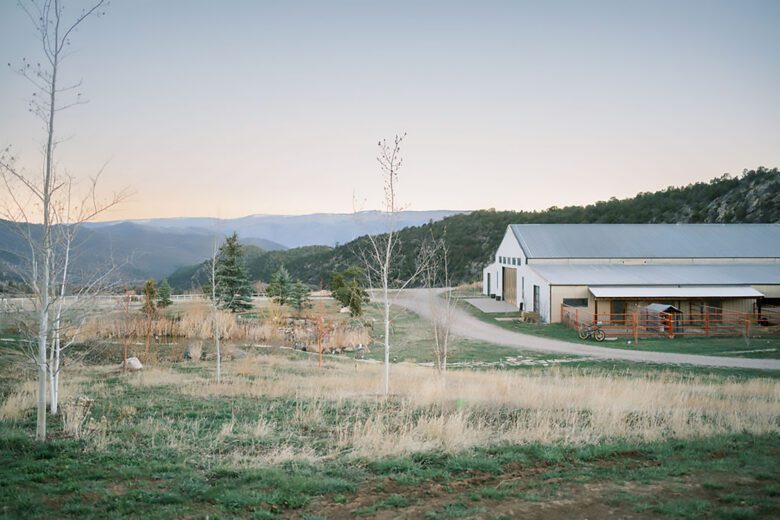

Childhood trauma can continue to affect adults long after the events themselves have passed, shaping how a person relates to their body, their emotions, and the people around them. For some women, working through these effects may benefit from stepping away from daily responsibilities for a period of focused support. 4Winds Farm is a private, women-only residential program in Glenwood Springs, Colorado, offering one option among several for women exploring trauma-informed care in a secluded setting.
What Counts as Childhood Trauma?
Childhood trauma generally refers to a frightening, dangerous, or violent event or set of events that may threaten a child’s safety or sense of bodily integrity. This can include directly experiencing harm, but it can also include witnessing an event that threatens the life or physical safety of a loved one. For young children in particular, a sense of safety is often closely tied to the perceived safety of their caregivers, so a threat to a parent or attachment figure may be experienced as a threat to the child as well.
Common Reactions During and After a Traumatic Event
Traumatic experiences can produce strong emotional and physical reactions that may last well beyond the event itself. A child may feel terror, helplessness, or fear, along with physical responses such as a racing heart, nausea, or loss of bladder or bowel control. These reactions are not a sign of weakness; they can reflect the body’s natural response to an overwhelming situation.
Why a Lack of Protection Can Compound the Impact
Children who were unable to protect themselves, or who did not have a protective adult available to them, may feel more overwhelmed by the intensity of their reactions. For some people, this absence of protection can add another layer to the original experience, and it may continue to shape how a woman relates to her body and sense of security into adulthood.
Categories of childhood trauma can include:
- Physical, emotional, or sexual abuse
- Neglect or abandonment
- Witnessing domestic violence
- Loss of a parent or primary caregiver
- Medical trauma or serious illness
- Natural disasters or accidents
- Community violence or bullying
How Childhood Trauma Can Affect Adults
For some people, childhood trauma is associated with changes in emotional regulation, relationships, and physical wellbeing that can persist into adulthood. These effects do not always resolve on their own over time. Many women who have experienced early trauma become highly capable and high-functioning, continuing to lead, work, and care for others while carrying unresolved difficulty beneath the surface. Over time, this way of coping can take a toll, and some women find that ongoing individual trauma therapy is a helpful part of addressing it.
Childhood Trauma and PTSD
Childhood trauma is a recognized risk factor for post-traumatic stress disorder (PTSD) in some adults, though not everyone who experiences trauma develops PTSD, and ongoing symptoms alone do not confirm a diagnosis. A diagnosis can only be made by a licensed mental health professional following a formal evaluation. Some adults with a history of childhood trauma describe difficulty with day-to-day functioning, including flashbacks, hypervigilance, or emotional numbness that can affect work, relationships, and self-care: experiences worth discussing with a qualified provider.
Recognizing Unresolved Trauma in Daily Life
Unresolved trauma can show up in patterns that feel automatic or hard to change, such as:
- Emotional dysregulation: reactions that feel more intense than the present situation seems to call for
- Relational difficulties: recurring patterns in friendships, partnerships, or parenting that feel hard to shift
- Physical symptoms: fatigue, tension, or digestive difficulties without a clear medical explanation
- Avoidance or numbing: overworking, substance use, or disconnecting from feelings
These patterns often developed as ways of coping during childhood. Recognizing them can be a useful first step, though understanding what they mean for you specifically is best explored with a licensed clinician.
Signs That Childhood Trauma May Still Be Affecting You
Unresolved childhood trauma does not always announce itself clearly. For many women, it can show up as long-standing patterns rather than an obvious crisis: staying busy, holding things together, and continuing to function even while carrying internal strain.
When Understanding Trauma Intellectually Isn’t the Same as Feeling Different
Some women have already done meaningful work in therapy, read widely on the subject, or attended workshops and retreats, and can describe their history with real clarity. Even so, understanding a pattern intellectually does not always change how it feels day to day. For some people, that gap can be a sign that additional or different kinds of support may be worth exploring, alongside (not instead of) the work already done.
Patterns That May Signal Unresolved Trauma
- Hypervigilance: difficulty relaxing, or a tendency to stay alert to potential threats
- Emotional numbness: feeling disconnected from the body, or difficulty accessing joy or grief
- Relationship patterns: people-pleasing, difficulty with intimacy, or repeating familiar relational dynamics
- Physical symptoms: chronic tension, pain, or other symptoms without a clear medical cause
- Perfectionism or over-functioning: tying self-worth closely to productivity, or difficulty resting without guilt
These patterns can reflect learned ways of coping that may once have served a protective purpose. Noticing them is a starting point, and a licensed provider can help determine what kind of support may be most helpful.
Books and Other Resources on Childhood Trauma
Books on dealing with childhood trauma can offer helpful language and psychoeducation for understanding how early experiences may shape adult life. Many combine explanations of trauma’s effects on the brain and nervous system with practical exercises such as journaling or body-awareness practices. For some readers, books are a useful supplement alongside therapy or other support, rather than a replacement for it.
What Makes a Trauma-Related Book Useful
Books that address both the emotional and physical dimensions of trauma, rather than one or the other, may be more helpful for some readers. Look for resources that include concrete exercises, are written by licensed clinicians or researchers, and are honest about their limits as self-directed tools.
Books, Retreats, and Residential Care: Different Kinds of Support
Books, retreats, and residential programs serve different purposes, and none is inherently better than another; the right fit depends on a person’s needs, circumstances, and preferences, ideally discussed with a licensed provider. Many women use more than one of these resources at different points.
Short Retreats, Intensives, and Residential Care: What’s the Difference?
These terms are sometimes used loosely, but they describe meaningfully different levels of support.
- Short retreats typically run a few days and offer an introduction to trauma-informed practices, community, and reflection. They are not designed to replace ongoing therapy or to address a mental health crisis.
- Week-long intensives offer a more concentrated, immersive experience than a short retreat, still within a defined and limited timeframe. They, too, are not a substitute for ongoing clinical care.
- Residential programs, such as the one offered at 4Winds Farm, generally run longer (commonly in the range of 30 to 90 days) and are structured around sustained clinical care, daily therapeutic support, and time away from usual responsibilities.
Choosing among these options depends on a woman’s circumstances, goals, and the level of support recommended by a licensed provider.
What Residential Care at 4Winds Farm May Include
4Winds Farm is a private, women-only healing campus set on 134 secluded acres in Glenwood Springs, Colorado. Residential stays are generally structured over a period of 30 to 90 days, giving women time away from daily obligations to focus on their care. Depending on individual needs, a woman’s program may include:
- Licensed individual trauma therapy
- Somatic Experiencing®
- Nervous-system regulation practices
- Group therapy and integration with other women in the program
- Equine-assisted experiential therapy
- Breathwork and other embodied practices
- Jungian-informed exploration of shadow material
- Nature-based experiences on the property
Where clinically appropriate and legally supported, a woman’s care team may also discuss psychedelic-assisted therapy as part of an individualized treatment plan.
4Winds Farm’s residential program is designed for women seeking trauma-informed support. It is not designed to treat substance use disorders, acute psychiatric crises, or medical conditions requiring hospitalization. Women experiencing a mental health emergency should seek immediate care from a local emergency service or crisis line.
Conclusion
Childhood trauma can affect adult life in complex ways, and different people benefit from different forms of support. At 4Winds Farm, care is offered on a private, women-only campus in Glenwood Springs, Colorado, combining licensed clinical therapy with somatic and nature-based practices. To learn whether a 4Winds Farm program may fit your needs, call 970-279-1114 or email admissions@4winds.farm.