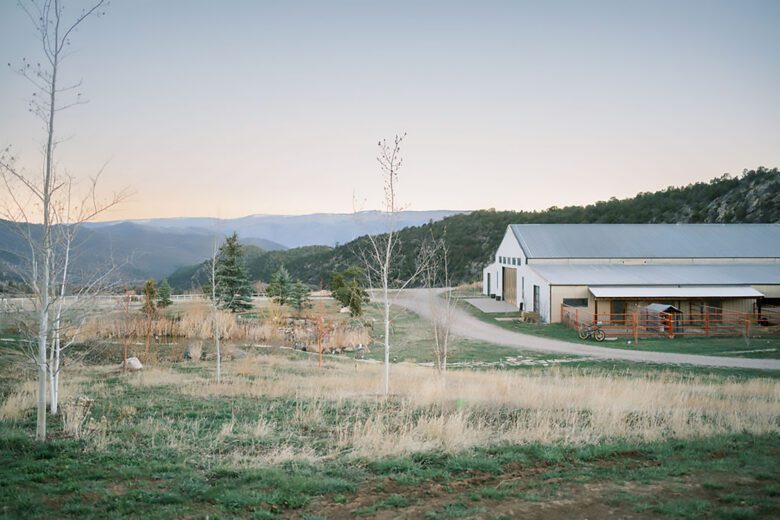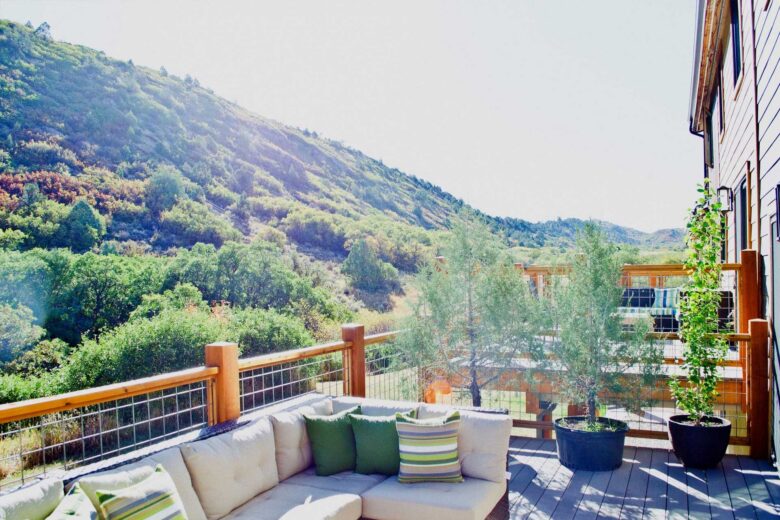
4Winds Farm is a women-only healing campus set on 134 secluded acres in Glenwood Springs, Colorado. Residential programs generally run 30 to 90 days and may combine licensed individual trauma therapy, Somatic Experiencing®, nervous-system regulation work, group integration, equine-assisted experiential therapy, breathwork and embodied practices, Jungian-informed shadow exploration, and nature-based experiences. This article looks at what the term “healing center” actually means, how residential care differs from shorter retreats, and what questions can help women, families, and referring clinicians evaluate a program like this one.
What Does “Healing Center” Actually Mean?
“Healing center” is a broad, largely non-regulated label. Unlike terms such as “hospital” or “licensed treatment facility,” it isn’t tied to a single legal definition or a fixed set of standards, and programs that use this language can vary widely in clinical depth, staffing, and oversight. Before choosing one, it can help to verify:
- Licensing: what state or clinical licenses the program and its staff hold
- Clinical scope: which conditions and experiences the program is designed to address, and which it is not
- Program length: whether care is a single day, a week-long intensive, or a longer residential stay
- Exclusions: what the program does not treat, such as active substance use disorders, acute psychiatric crises, or medical conditions requiring hospital-level care
- Aftercare: what support, if any, is offered once a woman returns home
Asking these questions can help set realistic expectations for what a given program can and cannot offer.
Why Some Women Seek Gender-Specific Trauma Care
Some women find it easier to speak openly about experiences such as sexual trauma, body image struggles, or the pressures of motherhood and caregiving in a women-only setting. A gender-specific environment can reduce certain social dynamics that arise in mixed-gender settings, which may support a greater sense of safety for some participants. This does not mean gender-specific care is the right fit for every woman, or that it works the same way for everyone: needs and histories vary considerably from person to person.
Residential Care vs. Retreats and Intensives: Know the Difference
Programs described as “healing centers” can mean very different things depending on length and structure. It helps to distinguish between:
- Short retreats: typically a few days, often focused on rest, reflection, and introducing therapeutic concepts
- Week-long intensives: a more concentrated block of therapeutic work, such as 4Winds Farm’s week-long healing intensives, designed for focused exploration within a defined timeframe
- Residential care: extended stays, generally 30 to 90 days at 4Winds Farm, allowing time for licensed therapy, group work, and experiential practices to unfold gradually
A short retreat is not a substitute for residential care, and residential care is not simply a longer retreat: the pacing, clinical involvement, and goals differ. Understanding which category a program falls into can help set appropriate expectations before enrolling.
What Therapeutic Approaches Might Be Included?
Residential trauma care at 4Winds Farm may draw on a range of modalities, offered by licensed clinicians and facilitators as part of an individualized plan:
- Licensed individual trauma therapy, tailored to each woman’s history and current needs
- Somatic Experiencing®, a body-aware approach some clinicians use alongside talk therapy
- Nervous-system regulation practices, which may support a woman’s capacity to notice and work with her own stress responses over time
- Group integration, where women process shared themes such as boundaries and relational safety
- Equine-assisted experiential therapy, incorporating structured work with horses
- Breathwork and other embodied practices
- Jungian-informed shadow exploration, drawing on depth psychology concepts
- Nature-based experiences, supported by the campus’s rural Colorado setting
For some clients, and only where clinically appropriate and legally supported, psychedelic-assisted therapy may also be offered as part of a broader treatment plan under professional supervision. This option is not appropriate or available for every participant, and any such treatment involves a thorough clinical evaluation first.
What a Healing Center Is Not Designed to Treat
A trauma-focused healing campus is not a substitute for emergency or acute medical care. Programs like 4Winds Farm are not designed to treat active substance use disorders, acute psychiatric crises, or conditions that require hospital-level medical treatment. Women who may be experiencing these concerns are encouraged to speak with a physician, psychiatrist, or crisis service to determine the right level of care before considering a residential program. Reviewing a program’s stated exclusions in advance can help avoid a mismatch between a woman’s needs and what a program actually offers.
Questions to Ask Before Choosing a Healing Center
Considering a Longer, Immersive Program
Some women consider a longer residential stay after finding that ongoing weekly therapy, on its own, hasn’t yet addressed what they hoped to work through. This is a personal decision shaped by individual circumstances, not a sign that any one form of care is inherently better than another. At 4Winds Farm, the 30- to 90-day timeframe is intended to allow licensed therapy and experiential practices to be introduced gradually, with time between sessions for rest and reflection on the 134-acre campus near Glenwood Springs.
A Note on What This Kind of Care May Offer
Residential trauma-focused care is one option among several, and experiences vary from person to person. A program like 4Winds Farm can offer dedicated time, licensed clinical support, and a private, women-only setting away from daily responsibilities. It cannot guarantee a particular outcome, and no single program is the right fit for every woman. Anyone considering this type of care is encouraged to review a program’s licensing, clinical scope, and exclusions directly, and to involve a treating clinician in the decision where appropriate.
Conclusion
Choosing among healing centers, retreats, and residential programs requires checking licensing, clinical scope, program length, exclusions, and individual fit. To ask whether a current 4Winds Farm program may fit your needs, call 970-279-1114 or email admissions@4winds.farm.