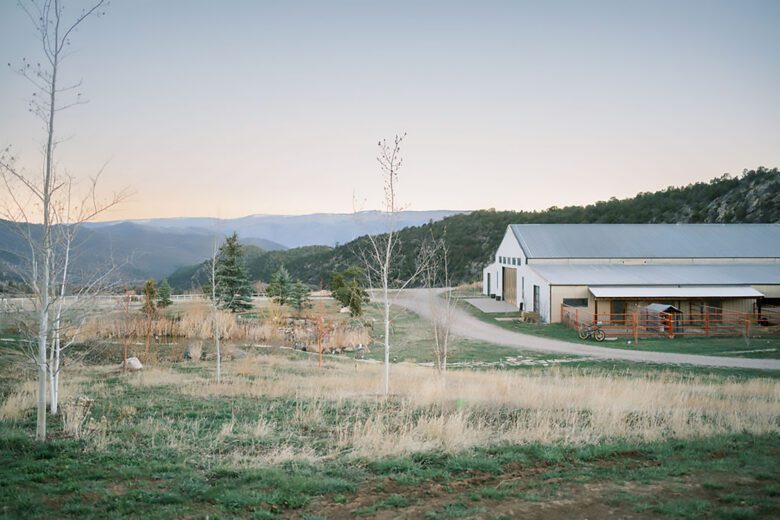

4Winds Farm is a private, women-only healing campus on 134 secluded acres in Glenwood Springs, Colorado. Its residential program generally runs 30 to 90 days and may combine licensed individual trauma therapy, Somatic Experiencing®, nervous-system regulation practices, group integration, equine-assisted experiential therapy, and time in nature. For women processing the effects of relationship trauma, this kind of extended, private setting can offer space to do that work away from daily demands.
What is relationship trauma?
Relationship trauma describes the emotional and psychological distress that can follow harmful experiences within an intimate partnership, such as abuse, betrayal, or infidelity. For many women, these experiences create effects that extend beyond the original event and may not resolve on their own with time alone.
How does relationship trauma affect the body and mind?
Relationship trauma can affect the nervous system, emotional regulation, and relational patterns in lasting ways. For some women, the nervous system continues to respond as though a partner’s neutral behavior is a threat, even when the conscious mind recognizes it isn’t. This can leave a woman feeling stuck in hypervigilance or emotional shutdown, which may make connection feel harder to access.
What can a holistic approach to healing include?
Many women find it helpful to address more than one dimension of their experience. A broader approach can include attention to:
- Mind: understanding the narrative and meaning of the experience
- Body: supporting present-moment awareness and physical regulation
- Emotions: processing grief, anger, and shame in a supported setting
- Nervous system: building capacity for regulation over time
Relationship trauma can create patterns that show up unconsciously: a partner’s behavior may become a trigger, or a woman may notice herself repeating old dynamics or avoiding closeness. These patterns aren’t character flaws; they often reflect the nervous system’s attempt to protect her.
Healing relationship trauma tends to benefit from more than insight alone. A structured environment, one where emotional expression is met with skilled support and where regulation can be practiced over time, can help some women build a felt sense of safety. Without that kind of support, relationship trauma may continue to affect trust, connection, and joy for some women.
How does trauma affect relationships?
Relationship trauma can reshape the nervous system, emotional regulation, and relational patterns in ways that can make connection feel harder to sustain. The body can stay in a state of heightened alert, so that cues of safety are sometimes read as threats. This response does not always resolve through willpower or insight alone.
Many women who come to 4Winds have already tried individual therapy or other wellness practices, and it isn’t unusual to keep noticing the effects of relationship trauma even after prior support. A partner’s neutral comment may still trigger a strong reaction, and closeness that a woman wants can sometimes feel harder to tolerate than expected.
What specific relational patterns does trauma create?
Relationship trauma can be associated with certain recurring patterns for some women. Hypervigilance can mean scanning for danger even when none is present. Emotional numbing can make it harder to access both pain and joy. People-pleasing can become a way of coping, which may come at the cost of authentic self-expression. These patterns aren’t character flaws; they often reflect a learned response to past harm.
How does healing relationship trauma begin?
Healing relationship trauma often involves seeking support and gradually working on trust in yourself and others. Some women find that a setting away from daily life supports this process. At 4Winds Farm, the 134-acre private campus in Glenwood Springs, Colorado, offers women space away from everyday triggers to begin this work with professional support.
What are the signs of unhealed trauma in a relationship?
Unhealed relationship trauma can be associated with difficulty feeling safe, trusting, or regulating emotions with a partner. Recognizing these signs can be a useful step toward understanding healing strategies and rebuilding trust in future relationships. Some women carrying unresolved relational trauma may experience hypervigilance, emotional numbing, or a pattern of reenacting past wounds within current partnerships.
How does emotional dysregulation show up?
One indicator some women notice is emotional dysregulation: reacting with disproportionate anger, freezing during conflict, or feeling flooded by anxiety during intimate moments. These responses aren’t character flaws; they may reflect ways that earlier relationship trauma continues to influence present-day reactions.
What role does emotional validation play in healing?
Healing relationship trauma often starts with acknowledging your emotional experience. Emotional validation isn’t about agreeing with every feeling; it means recognizing internal experiences without judgment. This approach can help create emotional safety and support survivors in rebuilding trust with themselves.
- Hypervigilance: Constantly scanning a partner’s mood or behavior for signs of danger
- Emotional numbing: Feeling disconnected, detached, or unable to access joy or sadness
- Reenactment patterns: Unconsciously recreating dynamics from past relationships
- Trust deficits: Difficulty believing a partner’s words or intentions, even when evidence supports safety
These signs aren’t necessarily permanent. With structured support that addresses both emotional and physical experience, some women find they can move toward greater regulation and connection over time.
How can women begin healing relationship trauma?
Beginning this process often starts with finding a sense of safety. Relationship trauma can affect the nervous system in lasting ways, which is why some women look for care that combines licensed clinical therapy with somatic and other experiential practices.
4Winds Farm offers a private, women-only healing campus in Glenwood Springs, Colorado, focused on women’s trauma recovery. The private setting offers space away from daily demands, which some women find supportive for this kind of work. The residential program takes a whole-person approach that includes both clinical and experiential care.
Because relationship trauma can involve emotional, physical, and relational dimensions, the residential program combines multiple approaches rather than relying on just one.
What specific therapies support the process?
Care at 4Winds Farm may include a combination of the following, depending on individual needs:
- Licensed individual trauma therapy for structured emotional processing
- Somatic Experiencing®, a body-based approach some women use alongside talk therapy
- Nervous-system regulation practices for grounding and stabilization
- Group integration for shared support and connection with other women
- Equine-assisted experiential therapy as a relational, community-based practice
- Breathwork and other embodied practices
- Jungian-informed shadow exploration
- Nature-based experiences across the 134-acre campus
- Psychedelic-assisted therapy, offered only where clinically appropriate and legally supported
How do retreats and intensives differ from residential care?
4Winds Farm also offers short retreats and week-long healing intensives, which are distinct from the residential program. These shorter offerings can give women a focused, immersive experience for reflection and initial exploration, while the residential program, generally 30 to 90 days, is designed for more extended, in-depth care. Stepping away from daily responsibilities, even briefly, can create space that a single weekly session may not offer everyone.
Healing relationship trauma often benefits from time, structured support, and a confidential setting. 4Winds Farm’s 134-acre private campus allows women to focus closely on this work, supported by a team experienced in relationship trauma and long-term integration.
What might recovery from relationship trauma look like over time?
Recovery from relationship trauma looks different for every woman, and it doesn’t mean forgetting the past or relying only on coping skills. 4Winds Farm’s residential program is designed to support women in exploring the roots of relationship trauma, not only its symptoms. This kind of work often benefits from stepping away from daily life for an extended period.
Healing relationship trauma isn’t a linear process. For some women, it can include learning to notice emotions without feeling overwhelmed by them, recognizing old triggers as they arise, and choosing intentional responses instead of reactive patterns. Over time, some women come to understand how relationship trauma shaped their coping strategies, and to hold those strategies with more compassion and less shame.
How does a week-long intensive support this process?
During a week-long intensive, several days of guided work and reflection can give women space to notice patterns and begin considering how insight might translate into change. These intensives are shorter than the residential program and are structured as a focused, immersive experience rather than an extended stay. For some women, having dedicated, uninterrupted time can support practicing new coping skills in a supported setting.
What distinguishes short-term coping from longer-term exploration?
Processing difficult feelings such as anger, at one’s own pace, is often part of this work, and therapy can provide structured space for it. 4Winds Farm’s residential program combines licensed therapy with Somatic Experiencing®, equine-assisted experiential therapy, and nervous-system regulation practices within a private, women-only setting.
Conclusion
In the end, healing from relationship trauma asks for more than time; it asks for a space where the body, mind, and spirit are met together. At 4Winds Farm, we hold that space with intention, weaving licensed clinical care with somatic and spiritual practice on our private Colorado campus. Here, women step out of survival mode and toward greater clarity, safety, and wholeness, not just managing pain, but working through it.