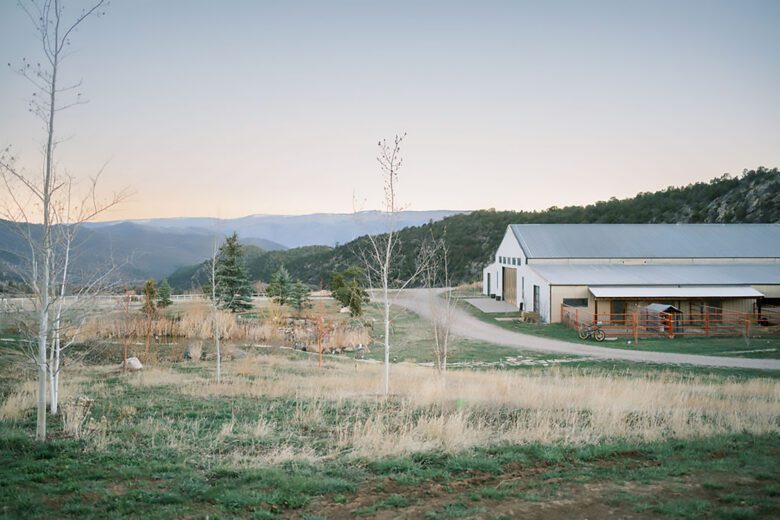
Recovery from complex trauma looks different for every woman, and there is no single timeline or formula that fits everyone. For some women, a trauma healing journey may include licensed individual therapy alongside complementary practices such as somatic work, nervous-system-focused approaches, and time in a supportive, women-only setting. 4Winds Farm, a private residential program on 134 secluded acres in Glenwood Springs, Colorado, offers care built around these elements. This article describes what that kind of journey can involve, and what it generally does not promise.
What a Trauma Healing Journey Can Involve for Women
Trauma can affect women in ways shaped by their individual histories, relationships, and life circumstances, including experiences such as sexual assault or domestic violence that some women have lived through. Because these experiences vary so widely, care that is responsive to a woman’s specific history and needs, rather than a one-size-fits-all approach, can be an important part of recovery for some.
A women-only treatment setting is one option some women find helpful. It removes certain social dynamics present in mixed-gender environments and may make it easier for some participants to feel at ease discussing sensitive experiences. This is not the right fit for every woman, and outpatient or co-ed care can also be appropriate and effective depending on individual circumstances.
Approaches That May Support Recovery
Care at 4Winds Farm is organized around licensed clinical therapy, with several complementary practices offered alongside it. These can include:
- Licensed individual trauma therapy with a mental health clinician
- Somatic Experiencing®, a body-oriented therapeutic approach
- Nervous-system regulation practices, such as breathwork and grounding techniques
- Group therapy and peer integration
- Equine-assisted experiential therapy
- Embodied practices, including movement and breathwork
- Jungian-informed exploration of unconscious patterns, sometimes referred to as shadow work
- Time in a natural, secluded setting
For some clients, and where it is clinically appropriate and legally permitted, psychedelic-assisted therapy may also be offered as part of a supervised treatment plan. This is not appropriate or available for every client, and any decision about it is made individually with the clinical team.
These approaches are intended to complement, not replace, licensed mental health treatment, and outcomes vary from person to person.
Understanding the Nervous System in Trauma Recovery
Trauma can affect the nervous system, emotional regulation, and how a person relates to others. Many clinicians use nervous-system-informed approaches, including Somatic Experiencing® and regulation techniques, to help clients build awareness of physical sensations connected to stress responses like hypervigilance or numbing. These approaches are one part of a broader treatment plan and are typically used alongside, not instead of, licensed talk therapy.
Some women find that combining body-oriented practices with individual therapy gives them additional tools for noticing and working with stress responses over time. This is not a quick process, and it does not follow the same path for everyone. Ongoing weekly outpatient therapy can also be an effective and appropriate form of care; a residential or intensive setting is simply a different option that some women choose for a period of more concentrated support.
How Retreats, Intensives, and Residential Care Differ
4Winds Farm offers a few different program formats, and it’s worth understanding how they differ before deciding what might fit a particular situation.
- Weekend wellness retreats are short stays that introduce foundational practices such as somatic awareness and guided reflection in a compressed format. They are not a substitute for ongoing therapy or residential care.
- Week-long healing intensives offer a longer stay that allows more time for therapeutic work and rest, which some women find useful for building on what a shorter retreat introduces.
- Residential trauma recovery programs generally run 30 to 90 days and are designed for women seeking more sustained, structured support, combining licensed therapy with the complementary practices described above.
The right format depends on a woman’s individual needs, prior treatment history, and what her clinical team recommends. None of these formats is guaranteed to produce a particular outcome, and progress can include setbacks along the way.
Why 4Winds Farm Offers a Women-Only Setting
4Winds Farm’s Glenwood Springs campus is dedicated to women’s residential trauma care. For some clients, being in a space with other women may make certain aspects of treatment, such as group therapy or discussing experiences of gender-based violence, feel more comfortable. This is a personal preference rather than a universal need, and a women-only setting is not inherently more effective than a co-ed one; it is simply a different option available to clients who prefer it.
Programs combine licensed clinical therapy with complementary practices such as equine-assisted therapy and nervous-system-focused work, delivered in a private, confidential setting. As with any treatment approach, individual results vary, and no program can promise a specific outcome.
Starting a Trauma Healing Journey: What to Consider
Deciding to pursue residential trauma care is a significant step, and it helps to go in with realistic expectations. Recovery from complex trauma is rarely a straight line; many women experience periods of progress along with setbacks, and that is a normal part of the process rather than a sign that something has gone wrong.
Licensed clinical therapy is typically the foundation of care at 4Winds Farm, with complementary practices such as Somatic Experiencing®, nervous-system regulation, group work, and equine-assisted therapy offered alongside it as part of an individualized plan. These are intended to support, not replace, a woman’s broader mental health care, and many women continue working with outpatient providers after completing a program.
What 4Winds Farm Does Not Provide
4Winds Farm’s residential program is designed for trauma-focused care and does not provide treatment for substance use disorders, acute psychiatric crises, or medical conditions. Women experiencing a mental health emergency, active suicidal ideation, or a medical crisis should contact emergency services or a crisis line rather than a residential retreat program.
A Note on What This Journey Can and Cannot Promise
No treatment program, including 4Winds Farm, can guarantee a particular outcome or a permanently “transformed” version of oneself. Healing from trauma is an ongoing, individual process that can continue well beyond any single program, and licensed clinical support, whether at 4Winds Farm, in outpatient therapy, or through another provider, is typically one part of that broader process rather than its entirety.
Conclusion
A trauma healing journey can take different forms and may include progress, pauses, and setbacks. To ask whether a current 4Winds Farm program may fit your needs, call 970-279-1114 or email admissions@4winds.farm.