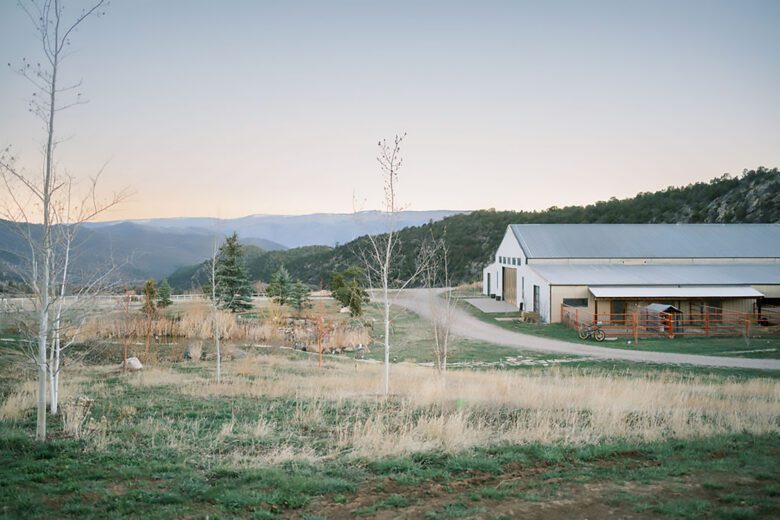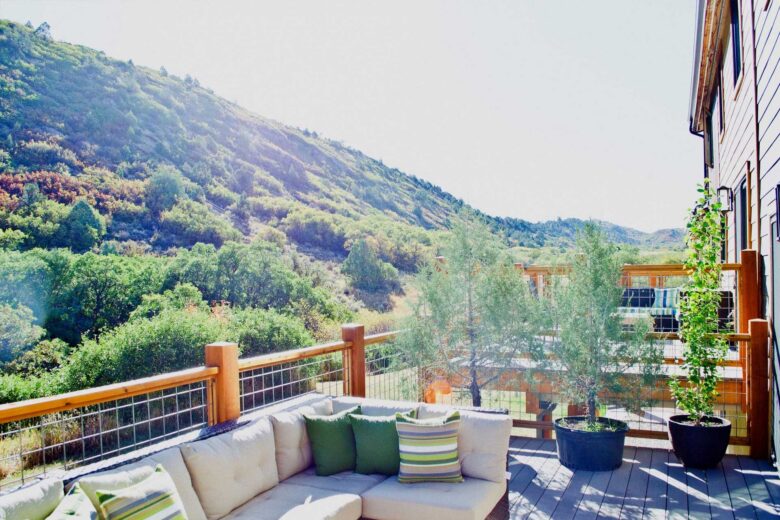

Women’s trauma counseling can take several forms, from ongoing outpatient sessions to short retreats, week-long intensives, or longer residential programs. This guide looks at how these options differ, and where 4Winds Farm, a private, women-only healing campus on 134 secluded acres in Glenwood Springs, Colorado, fits within that range as one option for integrative trauma counseling for women.
What Is Women’s Counseling for Trauma Recovery?
Women’s counseling for trauma recovery refers to therapeutic support focused on how trauma can affect emotional regulation, relationships, and day-to-day functioning. This kind of support can happen in an outpatient setting, through a short retreat or intensive, or within a longer residential program. The right format depends on a person’s needs, history, and circumstances, and is best worked out with a qualified clinician. Nothing in this guide is intended as a diagnosis or a substitute for individualized clinical evaluation.
How does outpatient counseling for trauma recovery work?
Outpatient counseling is typically where trauma-focused work begins. It usually involves regular sessions with a licensed therapist, often on a weekly basis, while the client continues living at home and managing daily responsibilities. For many people, outpatient counseling is an effective and appropriate form of support on its own, and it remains a valid path even for those who later consider a more immersive option.
What is residential trauma care, and how is it different?
Residential care is a different level and setting of support, not a replacement for outpatient counseling. Instead of attending scheduled sessions and returning home, a resident lives on-site for a defined period, generally 30 to 90 days at 4Winds Farm’s residential program, with more sustained access to therapeutic support during that time. Some women consider residential care when they want a more structured, immersive setting; others find that outpatient counseling continues to meet their needs. Short retreats and week-long intensives sit between these two options: they take place on-site like residential care, but over a much shorter, defined stay, and are not a substitute for a full residential program when one is clinically indicated.
Why 4Winds Farm Is a Women-Only Healing Environment
4Winds Farm’s residential programs are designed exclusively for women. A women-only setting can offer a sense of privacy and shared context that some women find supportive during trauma-focused work. It is one option among several approaches to care, and it is not the right fit for everyone.
What can a women-only setting offer?
For some women, being in a space with other women can make certain conversations feel more comfortable, particularly around experiences that can be harder to discuss in mixed company. This is not the case for everyone, and a women-only mental health retreat or residential stay is a choice worth weighing against other formats of care based on individual preference.
How does group support fit into residential care?
Residential programs at 4Winds Farm can include group integration sessions alongside individual therapy. Being part of a small group of women engaged in similar work may help some residents feel less isolated during their stay, while individual sessions remain the primary setting for personal therapeutic work.
- Privacy: the 134-acre campus in Glenwood Springs, Colorado offers a secluded setting away from daily routines
- Group integration: structured group sessions complement individual therapy during a resident’s stay
- Choice: a women-only setting is one option, and prospective residents are encouraged to consider whether it fits their needs
What Approaches Are Used in Women’s Trauma Counseling at 4Winds?
Residential care at 4Winds Farm can include a combination of licensed individual trauma therapy, Somatic Experiencing®, and nervous-system regulation practices, alongside group integration. These approaches are generally used together as part of an individualized treatment plan built with the clinical team, rather than applied the same way for every resident.
What role can somatic and body-based approaches play?
Somatic Experiencing® is a body-based therapeutic approach that can be used alongside traditional talk therapy as part of somatic trauma recovery in Colorado. It focuses on helping a person notice physical sensations and patterns connected to stress, with the goal of supporting nervous-system regulation over time. Outcomes vary from person to person, and somatic work is one part of a broader plan rather than a stand-alone solution.
Is psychedelic-assisted therapy part of treatment?
Where legally available in Colorado and clinically appropriate, psychedelic-assisted therapy may be offered as one component of a resident’s broader treatment plan, under professional supervision. It is not used with every resident, and any decision to include it is made individually with the clinical team based on a person’s history and needs.
What Else Is Included in Residential Care at 4Winds?
Beyond individual and somatic therapy, residential programs at 4Winds Farm can include equine-assisted experiential therapy, breathwork and other embodied practices, Jungian-informed shadow exploration, and time in the surrounding natural landscape, all part of the farm’s broader approach to holistic women’s therapy.
How does equine-assisted therapy support trauma recovery?
Equine-assisted experiential therapy involves structured interaction with horses as part of a therapeutic process, often used to help residents practice awareness, communication, and boundary-setting in the moment. It is offered as a complement to talk-based and somatic therapy, not as a substitute for either.
What role does the natural setting play?
The campus’s rural setting in Glenwood Springs, Colorado provides opportunities for nature-based experiences as part of the daily schedule. Time outdoors, alongside structured therapeutic activities, is intended to support a resident’s overall sense of grounding during her stay, though experiences of this vary from person to person.
- Equine-assisted experiential therapy
- Breathwork and other embodied practices
- Jungian-informed shadow exploration
- Nature-based experiences across the 134-acre campus
How to Start: Retreats, Intensives, and Residential Programs
Exploring trauma-focused support often starts with a conversation about which level of care might fit your current needs, whether that is outpatient counseling, a short retreat, a week-long intensive, or a longer residential stay.
What happens during an initial conversation?
A prospective resident can speak with the clinical team about her history, current circumstances, and what she hopes to get from treatment. This conversation is meant to help identify whether a residential program, a shorter retreat, or another form of support may be worth considering. It is not a diagnostic evaluation, and no diagnosis is made on the basis of it.
What program options are available?
4Winds Farm offers a few different formats:
- Weekend or short retreats, for women who want a brief, structured introduction to the campus and its approach
- Week-long intensives, for a more concentrated period of therapeutic work outside a full residential commitment
- Residential programs, generally running 30 to 90 days, for women considering a longer, more immersive stay
Each of these represents a different level and setting of support, and the right starting point depends on individual circumstances best discussed with a clinician. 4Winds Farm’s residential care is focused on trauma-informed counseling and related therapeutic support. It is not designed to treat substance use disorders, acute psychiatric crises, or other medical conditions, and anyone experiencing a mental health emergency should seek immediate local emergency care.
Conclusion
In closing, real trauma recovery asks for more than coping strategies—it asks for a space where the nervous system finally exhales. At 4Winds Farm, that space takes shape across 134 acres of Colorado wilderness, where licensed therapy, somatic practices, and spiritual depth meet in service of one purpose: helping women return to themselves. For those who have carried unresolved pain while holding everything together, this is an invitation to set it down, be witnessed, and heal fully, on ground built for exactly that.