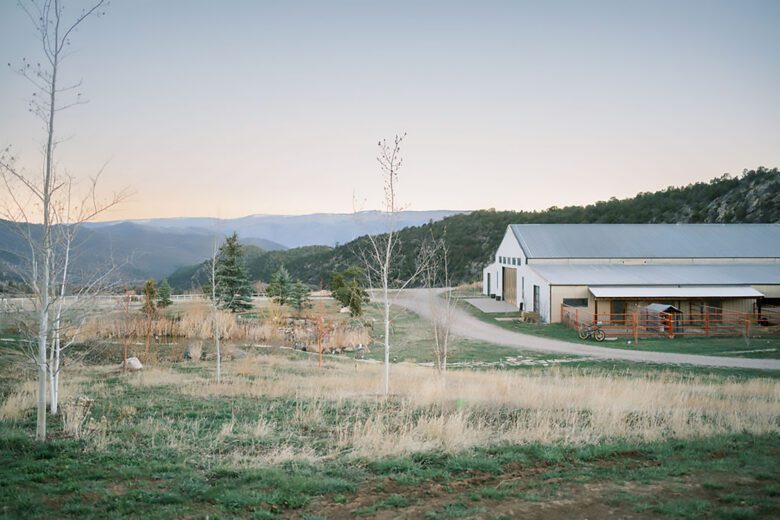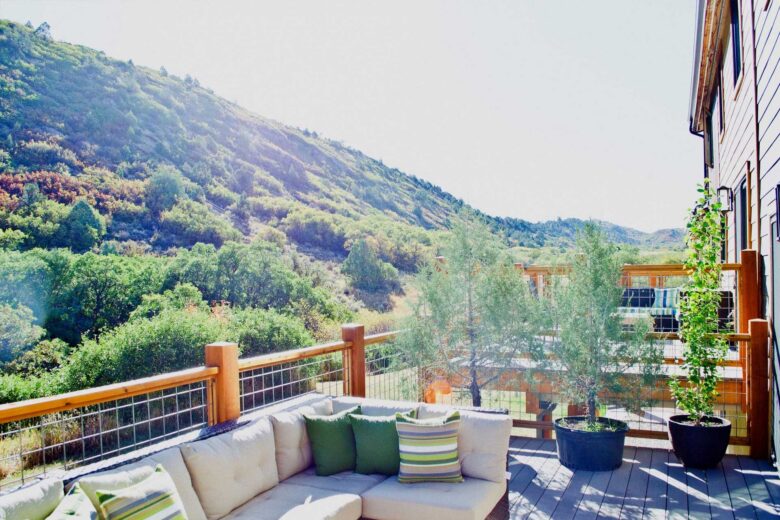

Holistic treatment centers for women describe programs that pair licensed mental health care with complementary practices, including body-based work, nature-based experiences, and reflective practices. 4Winds Farm operates as a private, women-only trauma healing campus on 134 secluded acres in Glenwood Springs, Colorado, offering residential programs that generally run 30 to 90 days. This guide is meant to help women evaluate this kind of integrative mental health care thoughtfully, not to promise a particular outcome.
What Does “Holistic” Actually Mean in Trauma Care?
“Holistic” is not a regulated clinical designation. No licensing body defines what a program must include before using the word, so it can mean very different things from one center to the next. Used responsibly, it should describe complementary practices, such as movement, nature-based activity, or reflective work, that are integrated alongside licensed, individualized mental health care, not offered as a substitute for it.
Complementary practices are not a cure for depression, anxiety, PTSD, or other diagnosable conditions, and they should not be positioned above evidence-based clinical treatment. When comparing programs, it can help to ask directly how any holistic or experiential elements are supervised and integrated with licensed clinical care.
What a Whole-Person Program May Include
Programs describing themselves as holistic vary, but whole-person, somatic trauma recovery care may draw on:
- Licensed individual trauma therapy
- Somatic Experiencing®
- Nervous-system regulation practices
- Group integration work
- Equine-assisted experiential therapy
- Breathwork and other embodied practices
- Jungian-informed shadow exploration
- Nature-based experiences
Not every program offers all of these, and no combination works the same way for everyone. How a person responds to any given practice can vary.
Why Some Women Consider a Women-Only Setting
For some women, a women-only environment may feel more comfortable when working through sensitive personal history. That’s a matter of individual preference and fit, not a universal requirement, and it’s worth raising directly with a program’s admissions team if privacy or group composition matters to you.
Residential Care, Intensives, and Retreats Are Not the Same
These terms are sometimes used interchangeably in marketing, but the formats differ in ways that matter when choosing care:
- Residential programs generally run 30 to 90 days and involve daily, structured clinical and experiential programming over an extended stay.
- Week-long intensives offer a shorter, more concentrated block of programming for women who cannot commit to an extended residential stay.
- Short retreats, typically a few days, are generally oriented toward rest, reflection, or an introduction to practices like breathwork or equine work, rather than sustained clinical trauma treatment.
No format is inherently better than another. The right length and structure depends on a woman’s clinical needs, history. Circumstances, and that’s best worked out with a licensed clinician during intake, not chosen from marketing copy alone. You can review our residential program page for more on the extended format, or our retreat offerings if a shorter starting point makes more sense.
Therapies and Practices That May Support Recovery
Individual trauma therapy provided by a licensed clinician is a core, evidence-based part of trauma care. Some programs add modalities such as Somatic Experiencing® or other nervous-system-focused practices, which some clinicians use alongside talk therapy to support emotional regulation. These practices are not a replacement for licensed clinical treatment, and their effect can vary from person to person.
Where legally permitted and clinically appropriate, some programs may incorporate psychedelic-assisted therapy as part of an individualized treatment plan, always under licensed medical supervision and in accordance with applicable law. This approach is not appropriate or available for every individual or in every location, and any program offering it should be able to explain its legal and clinical basis clearly. Group integration work, processing experiences alongside other women in a facilitated setting, is another component some programs build into individual treatment plans.
Equine-Assisted and Other Experiential Practices
Equine-assisted experiential therapy, breathwork, and other embodied practices are offered by some programs alongside clinical therapy. For some women, these practices may support emotional regulation or a sense of connection; experiences differ, and none of these practices is positioned as a substitute for licensed mental health treatment.
The Role of Privacy and Setting
Setting can affect how comfortable a woman feels engaging in therapeutic work. 4Winds Farm operates a private, women-only campus on 134 secluded acres in Glenwood Springs, Colorado. For some women, a private, nature-based setting away from daily obligations may make it easier to focus during a residential stay.
A secluded location is one factor among several, not a guarantee of any particular outcome. It’s worth weighing setting alongside clinical staffing, program structure, and individualized planning when comparing options.
Important Scope of Care
Whole-person and holistic programs are not appropriate for every situation. A responsible program is transparent about what it does and does not treat. Women in acute psychiatric crisis, or whose primary need is treatment for a substance use disorder or another medical condition, should seek care from a program and clinical team equipped for that specific need. Complementary or holistic practices are not a substitute for emergency care, medical treatment, or formal clinical diagnosis, and no program should be expected to resolve those needs through nature-based or experiential programming alone.
How to Evaluate a Holistic Treatment Center
When comparing programs, it may help to ask:
- Is clinical care provided or supervised by licensed mental health professionals, and how is it integrated with any complementary practices offered?
- Is treatment planning individualized, or is every participant offered the same fixed schedule? – What is the program’s scope, and does it clearly state which conditions and situations it is, and is not, equipped to address?
- What is the actual program length, and how does it align with your needs and availability?
- How is privacy and setting described, and does that match what matters to you?
There’s no single “correct” answer to these questions. The right fit depends on individual circumstances, clinical needs, and personal preference, and is best clarified directly with a program’s admissions team.
Getting in Touch
Holistic is a broad descriptive term, and the appropriate balance of licensed clinical care and complementary practices depends on the individual. To ask whether a current 4Winds Farm program may fit your needs, call 970-279-1114 or email admissions@4winds.farm.