“Trauma therapy” is not one method. It’s an umbrella term that covers everything from licensed clinical treatment to complementary practices like movement, art, equine-assisted work, and time outdoors. Because the phrase is used loosely across the wellness and mental health industries, it can help to understand what each approach actually involves, and who is qualified to provide it, before choosing a program.
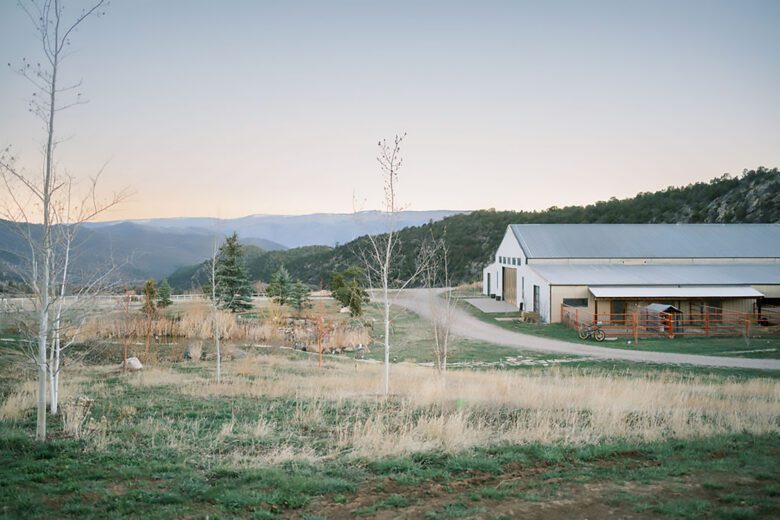
4Winds Farm is a private, women-only healing campus on 134 secluded acres in Glenwood Springs, Colorado. This article outlines how trauma therapy for women is generally structured, what distinguishes a short retreat from residential care, and what questions can help someone evaluate a trauma recovery center in Colorado or elsewhere.
What Does “Trauma Therapy” Actually Mean?
Trauma therapy can describe very different things depending on the setting. At the clinical end, it may include individual psychotherapy provided by a licensed mental health professional trained in trauma-focused approaches, where assessment, diagnosis, and treatment planning take place. At the other end, it can include complementary practices, such as somatic movement, breathwork, creative expression, or equine-assisted sessions, that some people use alongside clinical care.
These categories are not interchangeable, and no single approach described in this article is presented as superior to another. Licensed clinical treatment and complementary practices tend to serve different purposes, and understanding that distinction is often the first useful step for a woman or a loved one comparing programs.
This article is educational and does not diagnose or recommend a specific treatment path for any individual reader. A woman experiencing a mental health crisis, thoughts of self-harm, or a substance use emergency is generally better served by a crisis line, emergency service, or a program specifically licensed for that level of care rather than a retreat-based setting.
Approaches Used in Integrative Trauma Therapy
Programs that describe themselves as offering integrative trauma therapy typically combine licensed clinical work with complementary and experiential practices. At 4Winds Farm, care may include:
- Licensed individual trauma therapy, provided by a mental health professional
- Somatic Experiencing®, a body-oriented approach that some clinicians use alongside talk therapy
- Nervous-system regulation practices, such as grounding and breath-based techniques
- Group integration sessions, where guests process experiences alongside others
- Equine-assisted experiential therapy, involving structured, supervised interaction with horses
- Breathwork and other embodied practices
- Jungian-informed shadow exploration, drawing on depth psychology concepts
- Nature-based experiences supported by the surrounding Colorado landscape
Some clinical programs also incorporate psychedelic-assisted therapy, but only where it is legally permitted, clinically appropriate, and delivered within a licensed treatment framework. It is not offered to or appropriate for every individual, and any decision about it is made on a case-by-case clinical basis rather than as a standard feature of care.
Approaches often grouped under somatic trauma healing generally work with bodily sensation, breath, and nervous-system awareness alongside, not in place of, talk-based therapy. These practices are typically described as complementary support rather than a stand-alone treatment, and how a person responds to any given approach varies widely from woman to woman.
Retreats, Intensives, and Residential Care: What’s the Difference?
Programs marketed as a “trauma retreat” vary considerably in length, structure, and scope of care. Broadly, offerings tend to fall into three categories:
- Weekend retreats usually last a few days and offer a short break from daily routines along with introductory exposure to practices like breathwork or group process. They are generally not designed to replace ongoing clinical treatment.
- Week-long intensives offer a more concentrated block of time for guided clinical and experiential work, often useful for someone who wants focused time away without committing to an extended stay. 4Winds Farm’s week-long healing intensives are one example of this format.
- Residential programs, such as those at 4Winds Farm, generally run 30 to 90 days. That longer timeline allows for a fuller course of individual therapy, group work, and experiential practices, with more room for pacing than a shorter stay allows.
There isn’t a single right length for every woman. The appropriate format and duration depend on individual circumstances. Clinical needs, and that decision is best made in conversation with a licensed provider rather than by comparing programs on marketing claims alone.
What a Women-Only Healing Setting May Offer
Some women prefer a treatment setting limited to women, citing an easier sense of privacy or comfort in group work. 4Winds Farm’s campus sits on 134 secluded acres in Glenwood Springs, Colorado, offering distance from daily routines and public visibility during a residential stay.
A private, secluded setting is a context for care, not a treatment in itself. What matters most for any individual is the training and licensure of the clinical team, how a program is structured day to day, and whether that structure fits her specific situation.
4Winds Farm’s programs are designed around trauma-related concerns and are not structured to treat substance use disorders, acute psychiatric crises, or other medical conditions. Women with those needs are generally better served by programs specifically licensed and staffed to address them.
Questions to Ask Before Choosing a Program
Because “trauma therapy” and “trauma retreat” cover such a wide range of offerings, asking specific questions before enrolling can make it easier to compare programs on substance rather than language:
- Who provides the clinical therapy, and what are their licenses and credentials?
- What does a typical day include, and how much time is spent in licensed clinical sessions versus experiential or complementary practices?
- How long does the program run, and how does that length match the concern being addressed?
- What happens if a participant needs a higher level of psychiatric or medical care during the stay?
- What kind of support, if any, is available after departure to help with integration?
A program able to answer these questions clearly and specifically is generally easier to evaluate than one that relies on broad promises about outcomes.
Conclusion
Trauma therapy should be individualized, and no approach is appropriate for every person. To ask whether a current 4Winds Farm program may fit your needs, call 970-279-1114 or email admissions@4winds.farm.