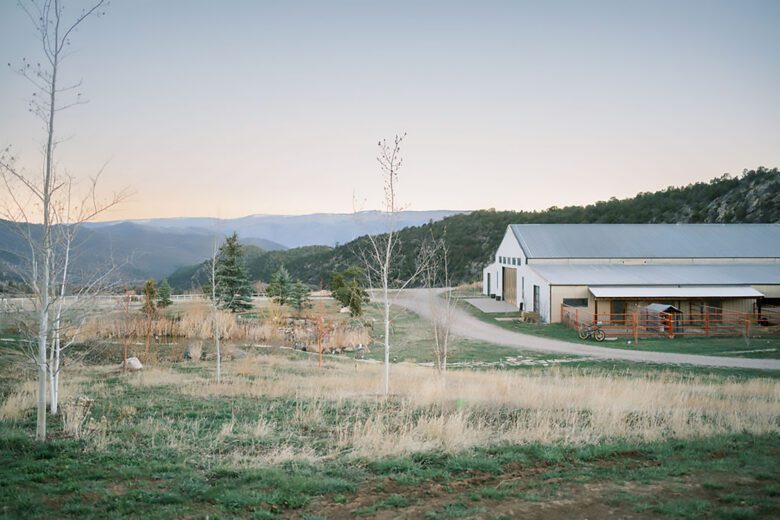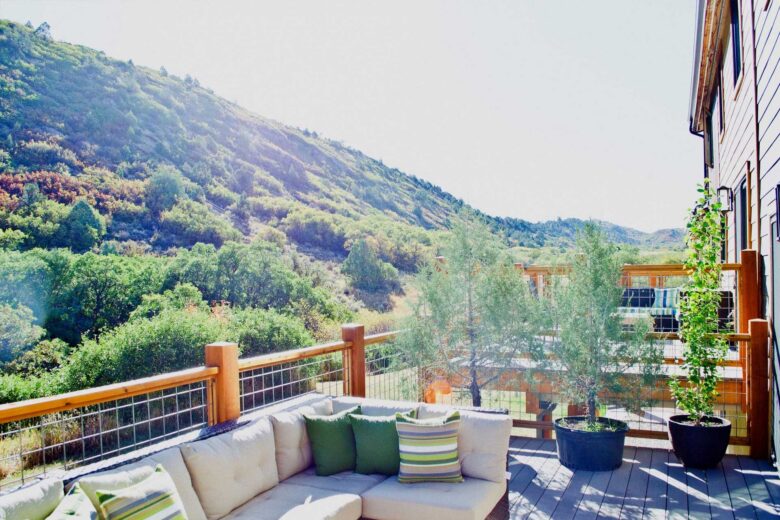

Emotional trauma healing retreats for women can combine licensed clinical therapy with body-based and experiential practices in a secluded setting. 4Winds Farm offers this model as a women-only trauma recovery campus on 134 private, secluded acres in Glenwood Springs, Colorado, pairing residential trauma recovery programs, generally 30 to 90 days, with confidential, individualized care. Shorter retreats and week-long intensives are also part of this landscape. They are time-limited experiences: they are not designed to diagnose or treat psychiatric conditions, they do not replace ongoing licensed care, and no program can guarantee a particular outcome. What a woman experiences, and how she responds to any therapy or practice, varies from person to person.
What Is an Emotional Trauma Healing Retreat?
An emotional trauma healing retreat is a structured program that can combine licensed mental health therapy with complementary, body-based practices in a residential or short-stay setting. These retreats differ from standard wellness getaways by placing trauma-informed care at the center of the experience, rather than relaxation alone.
At 4Winds Farm, women work with licensed clinical professionals alongside complementary practices in a private, secluded setting. Being away from daily routines and pressures may give some women more space to slow down. A private, women-only campus offers distance from public visibility, which some women find helpful, though every woman’s experience is different, and a retreat setting on its own is not a substitute for diagnosis. Treatment of a psychiatric or medical condition.
How Do Retreats Differ From Residential Trauma Recovery?
A short emotional trauma healing retreat lasting a few days is a different kind of experience than residential trauma recovery, which at 4Winds Farm generally runs 30 to 90 days and is organized around individualized, ongoing clinical care. Residential programs allow more time for licensed therapy to unfold alongside complementary practices such as a shared meal or time on the land. A short retreat can be a meaningful starting point or a standalone experience, but it is not designed to carry the same depth of sustained clinical work as a residential program.
Who May Consider an Emotional Trauma Healing Retreat?
A trauma healing retreat may be worth considering for women managing the effects of past trauma while maintaining careers, relationships, and other responsibilities. Some women describe feeling capable on the outside while carrying a great deal internally. For some, a retreat can offer space to step back from day-to-day demands and spend focused time on their own care.
- Licensed individual trauma therapy is available to help address emotional trauma with clinical support
- Complementary practices, such as Somatic Experiencing®, breathwork, and equine-assisted work, may support some women’s sense of regulation and grounding
- A private, women-only campus is designed to offer a greater degree of privacy
Care at 4Winds Farm is individualized and paced to each woman’s needs at the time. A retreat or residential program is one part of a longer process: healing is ongoing, and no program can promise a specific or lasting result.
Finding a Women-Only Trauma Recovery Campus
Searching for emotional trauma healing retreats by geographic proximity often returns listings focused on convenience rather than depth of care. Privacy and a secluded setting can matter as much as physical distance for women considering this kind of program. Some women choose to travel to a program such as 4Winds Farm for a private, confidential setting rather than choosing whatever option is closest to home.
What to Look for in a Trauma-Informed Setting
A trauma-informed environment is generally designed to support the whole person, not just a single symptom. Some women find that a women-only setting feels more comfortable for this kind of work. A private, nature-based campus, away from daily triggers and responsibilities, may give some women more room to slow down.
Factors worth considering when evaluating retreat options include:
- Seclusion and privacy: a setting intended to support confidentiality
- Women-only spaces: an environment some women find more comfortable for this work
- Individualized care: programs that combine licensed therapy with complementary practices tailored to each woman’s needs, rather than a single fixed track for everyone
Weighing Proximity Against Fit
A program’s clinical approach, setting, and level of individualized care may matter as much as its distance from home. Some women find that traveling to a private, residential program like 4Winds Farm supports the kind of focused work they are looking for. Alongside “how close is it,” it can help to also ask whether a program’s approach matches what a woman is looking for in her own care.
Therapies and Practices Offered at 4Winds Farm
Trauma retreats for women, including the residential program at 4Winds Farm, may draw on licensed individual trauma therapy alongside body-based and experiential practices. As a somatic trauma healing retreat, 4Winds Farm’s approach includes practices that engage the body as well as talk-based therapy. The specific combination of therapies is individualized for each woman; not every woman receives every practice listed here.
Depending on clinical recommendations, a woman’s plan may include:
- Licensed individual trauma therapy, provided by clinical professionals
- Somatic Experiencing®, a body-based approach some women find supports a greater sense of regulation
- Group integration, offering space to connect with other women in similar circumstances
- Equine-assisted experiential therapy, which can offer real-time feedback and a chance to practice boundaries and present-moment awareness
- Breathwork and other embodied practices, which some women use to support calm
- Jungian-informed shadow exploration, a reflective approach to examining personal patterns and meaning
- Nature-based experiences on the property’s private acreage
A Note on Equine-Assisted Work
Working with horses can offer immediate, non-judgmental feedback that some women find useful for practicing boundary-setting and present-moment awareness. This is offered as one complementary practice among several, guided by trained staff.
A Note on Psychedelic-Assisted Therapy
For some women in residential care, psychedelic-assisted therapy may be included as part of an individualized plan, offered only where it is clinically appropriate and legally permitted. It is not a feature of short retreats or week-long intensives. Where it is part of a woman’s plan, it takes place under licensed clinical oversight, alongside individual therapy rather than in place of it.
Care is individualized based on each woman’s needs and clinical recommendations, and no single combination of practices is guaranteed to work the same way for everyone.
Who Residential Care May Be a Good Fit For
4Winds Farm’s residential program is designed for women who are managing the effects of anxiety, burnout, or past trauma alongside otherwise full lives. Some of these women appear capable and composed to others while carrying significant emotional weight internally. Residential care is intended for women who are looking for more structured support than they can access while continuing their day-to-day responsibilities; it is not designed for acute psychiatric crises, substance use treatment, or other conditions requiring emergency or specialized medical care.
Considering Residential Care
Women who have already tried outpatient therapy and are looking for a more immersive level of support may want to consider a residential program. A residential setting can offer more time and structure for trauma-focused work than weekly outpatient sessions typically allow for some women, though the right level of care always depends on each person’s individual situation, and outpatient therapy remains an appropriate and effective option for many people. This is a question best explored with a licensed provider familiar with a woman’s full history.
How Residential Care Differs From Weekly Therapy
Residential care can offer a different structure than typical outpatient therapy: more time, a more immersive setting, and a team providing coordinated, individualized care. At 4Winds Farm, this may include:
- Licensed individual therapy built around each woman’s clinical needs
- Somatic and body-based practices, such as Somatic Experiencing®, offered alongside talk therapy
- Experiential therapies, such as equine-assisted work, that engage the body as well as the mind
- Group integration and nature-based time on the property
For some women, this combination can support a shift toward a greater sense of stability, though outcomes vary and ongoing care after a program often remains part of the process.
Short Retreats and Week-Long Intensives vs. Residential Care
A week-long healing intensive is a shorter, more contained experience than a full residential program, which generally runs 30 to 90 days. A week-long intensive can offer structured, trauma-informed practices over a condensed period, but it is not a substitute for residential care when more sustained support is needed. For some women, it may serve as an introduction to this kind of work or as a standalone experience.
What a Week-Long Intensive May Include
The daily rhythm of an intensive is typically designed to balance structured sessions with intentional rest. This pacing is intended to leave room to process material brought up during the week, rather than moving from one activity directly into the next.
- Structured sessions led by licensed professionals
- Guided rest periods between sessions
- Nature-based activities that may offer a sense of grounding
What Makes the Setting Different
4Winds Farm’s programs take place on a private, nature-based campus intended to offer some distance from daily demands. Being away from work, family obligations, and everyday routines may reduce some day-to-day pressures for the duration of a stay. This time away is designed to offer space to slow down and begin reflecting on personal patterns, understanding that any change explored during a retreat or intensive is typically part of a longer process that continues afterward, often with the support of an outpatient provider.
Important Considerations Before You Begin
Retreats, intensives, and residential programs at 4Winds Farm are time-limited experiences. They are designed to offer structured, trauma-informed support in a private, women-only setting; they are not designed to diagnose or treat psychiatric conditions, substance use disorders, or medical conditions, and they are not a substitute for ongoing licensed care or emergency services when those are needed. No program, therapy, or practice described here can promise a specific or lasting outcome; each woman’s circumstances and response to care are different. Anyone considering a program is encouraged to discuss it with a licensed clinician familiar with their history.
Conclusion
In closing, true healing asks for more than time away—it asks for a space where clinical care and spiritual depth meet, where the body is trusted as much as the mind. At 4Winds Farm, our 134-acre women-only campus in the Colorado Rockies exists for exactly that purpose: a private, intentional setting where high-functioning women finally set down what they’ve carried alone. Here, science and spirit work together, guiding women toward lasting internal safety, clarity, and wholeness.