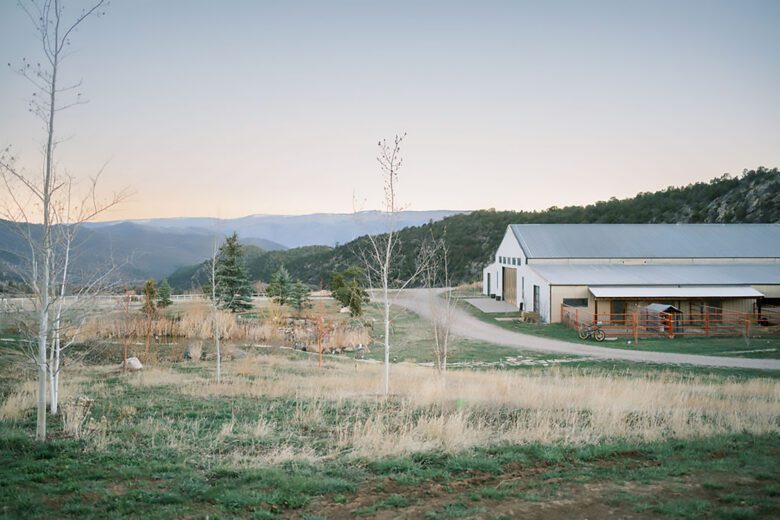

Therapeutic residential programs for women are designed for those looking for structured, immersive support around trauma, beyond what a typical weekly therapy schedule can offer. 4Winds Farm provides this kind of care on a private, women-only campus set on 134 secluded acres in Glenwood Springs, Colorado.
Programs are generally structured to run for 30 to 90 days and may combine licensed individual trauma therapy with body-based, experiential approaches, such as Somatic Experiencing®, nervous-system regulation practices, and equine-assisted therapy, in a private, women-focused setting.
What Does “Therapeutic Residential” Mean?
“Therapeutic residential” is a broad, descriptive term rather than a single licensed category of care. It’s used across very different types of programs, from psychiatric hospitals and crisis stabilization units to substance-use treatment centers and trauma-focused programs like 4Winds, to describe live-in care that pairs clinical treatment with a structured daily routine. Because the phrase covers so much ground, it’s worth understanding what a specific program actually offers before assuming what “residential” means in any one setting.
Related search terms, such as a women’s trauma residential center, a residential mental health program for women, or inpatient trauma treatment for women, often describe similar ideas. At 4Winds, that looks like a private, non-hospital, women-only setting focused on trauma-related work, not a hospital-based inpatient unit. That distinction matters if a hospital level of care is what’s actually needed.
Weekly outpatient therapy remains an appropriate and effective option for many people. For some women, a more immersive, extended format may offer additional space and structure to focus on recovery work away from daily responsibilities, at least for a period of time.
How Is 4Winds Different From a Hospital or Crisis Program?
4Winds is not a hospital, a crisis stabilization unit, or a substance-use treatment center, and it does not provide emergency psychiatric or medical care. It’s a private, women-only residential program focused specifically on trauma-related work. Women experiencing a mental health crisis, an active substance-use issue requiring medical detox, or an acute medical condition should seek care from an appropriate licensed hospital, crisis service, or substance-use treatment provider. For some women, a program like 4Winds may be a fit as part of a longer-term recovery path once those more immediate needs have been addressed elsewhere.
Residential Programs, Intensives, and Retreats: What’s the Difference?
Not all trauma-focused programs are structured the same way, and the terms are often used loosely. A short retreat may run a few days and offer an introduction to therapeutic practices in a group setting. A week-long intensive typically compresses a more concentrated block of individual and group work into several consecutive days. A residential program is generally a longer stay, at 4Winds, typically 30 to 90 days, built around daily clinical care, rest, and routine, rather than a single concentrated session.
Each format can suit different needs. A retreat or intensive may work as a starting point or a supplement to ongoing outpatient therapy, while a longer residential stay is built for women looking for sustained, daily support over an extended period. Which option, if any, makes sense is an individual decision best made with a qualified provider.
What Happens During a Residential Stay at 4Winds?
4Winds operates on a private, 134-acre campus in Glenwood Springs, Colorado, serving women exclusively. The setting is intended to offer privacy and a structured daily routine centered on clinical care, rather than a single weekly appointment.
What Are the Living Arrangements Like?
Guests typically stay in comfortable, gender-specific rooms with private baths, in a setting meant to support rest alongside clinical work.
What Does a Typical Day Include?
Days are generally organized around a combination of:
- Individual sessions with licensed clinicians
- Group and community-based work with other women in the program
- Body-based and experiential practices, such as equine-assisted therapy, breathwork, and time outdoors
- Time for rest and reflection
The specific mix is set by each woman’s individual treatment plan and can change over the course of a stay.
Which Therapies and Practices May Be Included?
Care at 4Winds reflects a holistic trauma recovery residential approach, drawing on a range of therapies depending on a woman’s individual treatment plan. These may include:
- Licensed individual trauma therapy
- Somatic Experiencing®, a body-oriented approach used alongside talk therapy
- Nervous-system regulation practices
- Group integration work with other women in the program
- Equine-assisted experiential therapy
- Breathwork and other embodied practices
- Jungian-informed shadow exploration
- Nature-based experiences on the property
Some clients may also be candidates for psychedelic-assisted therapy where it is clinically appropriate and permitted under applicable law, as one part of a broader, individualized plan determined by the clinical team. This approach is not appropriate for everyone.
How Do These Approaches Work Together?
Rather than relying on any single method, 4Winds combines talk-therapy-based and body-based approaches within one program. For some women, pairing individual therapy with somatic and experiential practices like equine work can complement ongoing talk therapy and support a fuller picture of their experience. Responses to these approaches vary from person to person, and no specific outcome can be promised.
Who Might Consider a Residential Program?
Women who look into residential trauma care come from a range of circumstances. Some have been managing anxiety, depression, burnout, or the effects of past experiences for a long time, including women who maintain demanding careers or family responsibilities alongside that. Others have already done outpatient therapy and are curious about a more immersive format to continue that work.
Is Residential Care the Right Choice for Everyone?
Not necessarily. Residential treatment isn’t inherently better than outpatient therapy, and it isn’t the right fit for every person or every situation. Whether a residential stay, an intensive, a retreat, or continued outpatient therapy makes the most sense depends on a woman’s history, needs, and current circumstances, a decision best made together with a qualified mental health provider.
What Makes a Women-Only Setting Different?
Some women find that a women-only environment supports more openness in group settings, though experiences of this vary from person to person. 4Winds is structured around this model specifically for its work with women navigating trauma-related concerns.
Next Steps
Therapeutic residential care is one possible level of support, and fit should be assessed individually. To ask whether a current 4Winds Farm program may fit your needs, call 970-279-1114 or email admissions@4winds.farm.