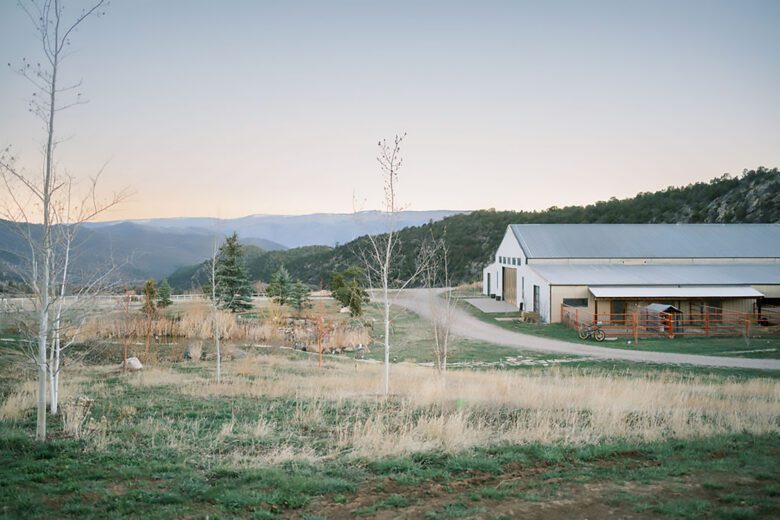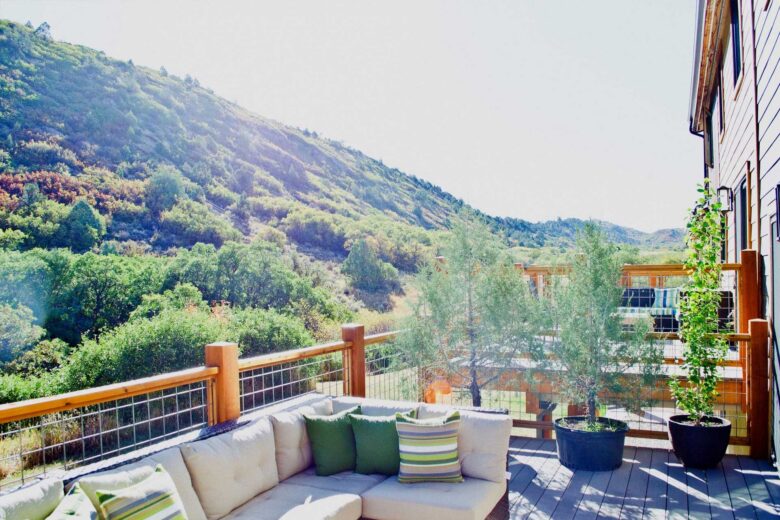
“Holistic trauma recovery” is a broad, descriptive term, not a formal diagnosis or a single treatment. It generally refers to approaches that consider a woman’s mind, body, relationships, and sense of meaning together, alongside (not instead of) licensed mental health care. 4Winds Farm, a private, women-only healing campus on 134 secluded acres in Glenwood Springs, Colorado, offers residential programs built around this idea: licensed individual trauma therapy paired with complementary practices such as Somatic Experiencing®, equine-assisted experiential therapy, and time in nature. These complementary practices may support individualized clinical care for some women. They are not presented as cures, and not every modality is appropriate for every person.
What Does Holistic Trauma Therapy for Women Involve?
Holistic trauma therapy for women is best understood as an umbrella description, not a specific protocol. In practice, it typically means licensed clinical therapy offered alongside body-based, experiential, and relational practices that some women find helpful in processing difficult experiences. At 4Winds Farm, this looks like an individualized program: each woman’s plan is shaped around her own clinical needs and history, so no two programs are identical, and no single woman receives every modality the campus offers.
This kind of integrative trauma recovery is intended to sit within licensed mental health treatment, not outside it. Somatic and experiential practices are offered as possible complements to individual therapy, under clinical oversight, rather than as stand-alone alternatives to it.
Who Might Consider This Kind of Program?
Some women manage significant responsibility (careers, families, public roles) while privately carrying the effects of past trauma. For some of these women, a private, structured setting away from daily obligations can offer space to focus on their mental health in a way that’s harder to prioritize at home. This approach isn’t the right fit for everyone, and readiness and needs vary from person to person.
Important scope note: 4Winds Farm’s programs are designed for trauma-focused mental health care. They are not designed to treat acute psychiatric emergencies, active substance use disorders, or other medical conditions. Women who need emergency care, medical stabilization, or specialized addiction treatment are encouraged to seek that care first; a clinical conversation with 4Winds Farm can help clarify whether a program here is an appropriate next step.
How Does This Compare to Weekly Outpatient Therapy?
Weekly outpatient therapy is a well-established, effective form of care for many people, and residential programs are not presented here as a replacement or an upgrade to it. The two formats simply offer different amounts of time and structure. A residential setting can offer more concentrated, uninterrupted time to focus on trauma-related work; weekly therapy offers ongoing support integrated into everyday life. Some women use both at different points, and the right approach depends on individual circumstances, best discussed with a treating clinician.
Retreats, Intensives, and Residential Care Are Not the Same
It’s worth being clear about format, since these terms are often used loosely. A weekend wellness retreat is a short, structured experience focused on rest and general well-being; it is not trauma treatment and isn’t designed to substitute for it. A week-long intensive offers more concentrated time than a weekend but is still a brief, defined program rather than a full course of clinical care. Residential trauma recovery is different from both: it is a longer, licensed clinical program, generally structured to run between 30 and 90 days depending on individual needs, with daily clinical and therapeutic structure built in.
For some women, a weekend retreat can serve as an initial, lower-commitment introduction to this kind of work. It is not a required first step, and it is not equivalent to enrolling in a residential program.
What Might Be Included in a Residential Program?
Depending on individual clinical recommendation, a residential program at 4Winds Farm may include licensed individual trauma therapy, Somatic Experiencing® and nervous-system-informed approaches, group integration, equine-assisted experiential therapy, breathwork and other embodied practices, Jungian-informed shadow exploration, and nature-based experiences. Because programs are individualized, this list describes the range of what may be offered across the campus, not a fixed sequence that every woman moves through.
Somatic and Nervous-System-Informed Approaches
Somatic approaches work with present-moment physical sensation and the body’s stress responses alongside talk-based therapy. The aim is to give a woman additional ways to notice and work with what she’s experiencing, in session with a licensed clinician, not to promise a specific physical or psychological outcome.
Equine-Assisted Experiential Therapy
Structured time with horses, facilitated by trained staff, can offer some women a nonverbal way to practice trust, boundaries, and calm presence. Outcomes and comfort with this work vary by individual.
Group Integration and Shared Reflection
Time with other women in the program, through group sessions, shared meals, or reflection, is offered as a complement to individual therapy. For some women, being around others with similar experiences can ease a sense of isolation; this varies person to person.
Jungian-Informed and Nature-Based Practices
Some programming draws on Jungian-informed exploration of personal meaning, along with time spent in the campus’s natural surroundings. These are offered as reflective and experiential complements to clinical work, not as therapy in themselves.
When Is Psychedelic-Assisted Therapy Part of Care?
Psychedelic-assisted therapy may be offered at 4Winds Farm only where it is clinically appropriate for the individual and legally supported. It is not part of every program, is not offered as a guaranteed or accelerated path to healing, and any decision to include it is made through clinical evaluation, not by request.
How Long Do Residential Programs Typically Run?
4Winds Farm’s residential programs are generally structured to run between 30 and 90 days, with the specific length recommended based on a woman’s individual clinical needs. There is no universal timeline, and progress in trauma-focused work doesn’t follow a fixed schedule. It varies by history, circumstances, and the pace that’s right for each person.
Can Books or Community Replace Clinical Care?
Reading about trauma and connecting with others can be genuinely valuable, but neither is a substitute for licensed clinical treatment. Books can help build language and context for what a woman is experiencing. Community, whether a support network at home or connection with other women in a program, can offer a sense of being understood that reading alone may not provide.
At 4Winds Farm, this kind of connection is offered as a complement to, not a replacement for, individual clinical therapy:
Shared meals and reflection time with other women in the program
Group integration alongside individual trauma therapy
A private, women-only setting intended to reduce exposure to outside judgment during treatment
Why Some Women Consider a Women-Only Setting
4Winds Farm operates exclusively for women. For some women, particularly those balancing careers, families, or public-facing roles, or those with certain trauma histories, a women-only environment may make it more comfortable to engage in group work and share openly. This is not guaranteed for every individual, and a single-gender setting doesn’t by itself determine how someone will respond to treatment; comfort and readiness still vary from person to person.
A Note on What This Program Is, and Isn’t
Holistic trauma recovery, as offered at 4Winds Farm, describes an approach that pairs licensed clinical therapy with complementary practices. It is not a diagnosis, a guaranteed outcome, or a stand-alone alternative to medical or psychiatric treatment. The campus’s programs are not designed for acute psychiatric crises, substance use treatment, or other medical conditions. Every program is individualized, developed and adjusted based on clinical assessment, and no specific pace, sequence, or result can be promised in advance.
Conclusion
In closing, holistic trauma therapy for women asks for more than symptom management—it calls for a whole-person return to safety, clarity, and self-trust. At 4Winds Farm, that return unfolds across 134 private acres in the Colorado Rockies, where licensed clinical care and somatic, spiritual practice move together rather than apart. Here, high-functioning women who have carried unresolved trauma finally set it down, reconnect with body and intuition, and step into lasting, integrated healing within a confidential, women-only community built for exactly that purpose.