
Many women researching a mental health resort for women’s trauma recovery are looking for something specific: a private, structured place to do focused trauma related work away from daily life. It helps to know upfront that “mental health resort” is not a clinical term. It is an informal, marketing style phrase that different programs use in different ways. It does not indicate a level of care, and it is not a claim about luxury or vacation style amenities. What matters more than the label is what a program actually offers: who provides the clinical care, what model they use, and what a typical day involves.
This article looks at what residential trauma care for women can include, how it differs from a short retreat or a week long intensive, and what questions can help you evaluate whether a program like 4Winds Farm may be a fit.
What Does “Mental Health Resort” Actually Mean?
“Resort” typically brings to mind privacy, natural surroundings, and comfort. On its own, the word does not indicate that a program is licensed, clinically staffed, or built around an evidence informed treatment model. Two programs can each describe themselves as a mental health resort while offering very different levels of care. One may be centered on rest and relaxation, while another is centered on structured clinical treatment. Neither approach is inherently better; they simply serve different needs.
Because the term itself doesn’t tell you much, it’s worth asking directly: Who provides the clinical care, and what are their credentials? What does a typical day actually include? A private, well designed setting can support healing work, but the setting itself is not the treatment.
Privacy and Amenities Are Not the Same as Clinical Care
A secluded property, comfortable accommodations, and thoughtful design can make it easier for someone to feel safe enough to do difficult emotional work, and those features can be genuinely valuable. They are not, however, a substitute for licensed therapy, a documented treatment plan, or qualified clinical staff. It can help to separate two questions when evaluating a program: Does this place feel supportive? And, separately: is the care here clinically sound?
Who Considers Residential Trauma Care?
Women consider residential trauma care for a range of reasons, and there is no single profile that fits everyone. Some are holding together careers, families, or caregiving responsibilities while also carrying unresolved trauma, chronic anxiety, or burnout. Others have tried outpatient therapy and feel ready for a more concentrated period of focused work. Some are simply looking for a different pace and setting than weekly sessions allow.
This kind of care is generally intended for women who are medically and psychiatrically stable enough to participate in a structured program away from home. It is not designed for acute psychiatric crises, medical detox, or the treatment of substance use disorders. Those situations call for a different, higher level of medical care. If you or someone you know is in crisis, a local emergency service or crisis line is the appropriate first call.
For women who are stable and looking for dedicated time and space to focus on trauma related work, a residential setting may offer more room to slow down than a typical week allows. It is not the right option for everyone, and that is worth weighing with a clinician rather than deciding from a website alone. Outpatient therapy remains a good, sufficient level of care for many people.
What Residential Trauma Care May Include
Programs vary, so it is worth asking any provider exactly what is included and who delivers it. At 4Winds Farm, residential care may draw on a combination of:
- Individual therapy with a licensed clinician, focused on trauma related concerns
- Somatic Experiencing®, a body oriented approach some clinicians use alongside talk therapy
- Nervous system regulation practices, such as breathwork and grounding techniques
- Group sessions focused on integration and shared experience
- Equine assisted experiential therapy
- Breathwork and other embodied practices
- Jungian informed exploration of unconscious patterns, sometimes described as shadow work
- Time outdoors and nature based experiences woven into the daily structure
Some clients may also be candidates for psychedelic assisted therapy where it is clinically appropriate and legally permitted, delivered under the oversight of licensed providers. This is not appropriate for every client or every diagnosis, and any decision about it is made individually with a treating clinician.
These approaches are offered as part of a broader, individualized treatment plan rather than as a guaranteed path to a particular outcome. What is helpful for one woman may not be the right fit for another, and progress in trauma related work looks different from person to person.
Retreats, Intensives, and Residential Care Are Not the Same
These terms get used loosely, so it helps to be specific:
- A weekend or multi day retreat typically offers rest, reflection, and light programming over a few days. It can be a meaningful break for someone dealing with everyday stress, but it is not designed to address complex or long standing trauma on its own.
- A week long intensive condenses focused clinical work into a short, defined period, and can suit someone looking for a concentrated experience without a longer time commitment.
- Residential trauma care, like the program at 4Winds Farm, generally runs 30 to 90 days. That longer timeline allows time for a full clinical intake, an individualized treatment plan, and therapeutic work to unfold gradually, with adjustments made along the way.
No single format is inherently better than another. The right length and structure depends on a person’s history, current stability, and what a clinical team recommends.
Is Residential Care a Good Fit?
There is no universal answer to this question, and nothing here is meant to diagnose or recommend treatment for a specific person. In general, women exploring longer residential care are often looking for more time and structure than weekly outpatient therapy provides, or want a dedicated period away from daily obligations to focus on trauma related work. For some people, outpatient therapy remains the right and sufficient level of care. For others, a more immersive setting may offer helpful additional time and space.
Anyone considering residential care should ask a program directly about clinical staffing, licensing, how a treatment plan is built, and how they handle a medical or psychiatric emergency if one arises during a stay.
About 4Winds Farm
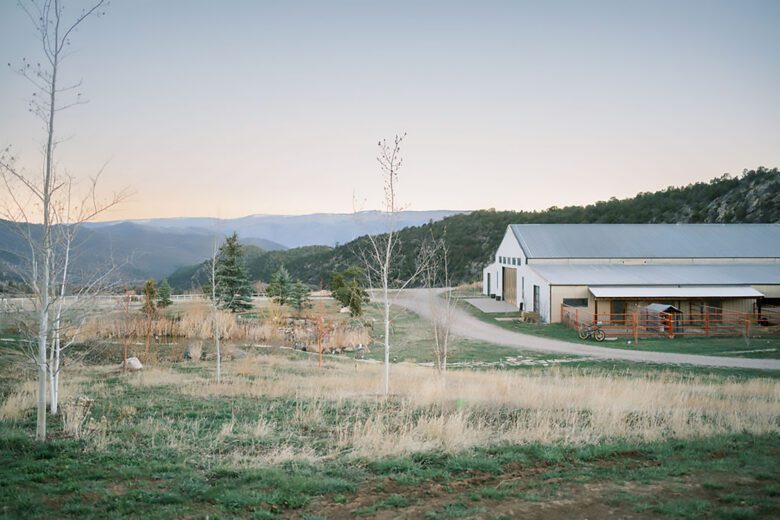
4Winds Farm is a private, women only healing campus on 134 secluded acres in Glenwood Springs, Colorado. Residential programs generally run 30 to 90 days and are organized around an individualized treatment plan developed with licensed clinicians.
Care may draw on individual trauma therapy, Somatic Experiencing®, nervous system regulation practices, group integration work, equine assisted experiential therapy, breathwork and other embodied practices. Jungian informed shadow work, along with nature based experiences and, where clinically appropriate and legally permitted, psychedelic assisted therapy. Every plan is individualized, and not every approach is used with every client.
4Winds Farm is not a treatment setting for substance use disorders, acute psychiatric crises, or medical conditions requiring hospital level care.
For women considering a shorter break rather than a full residential stay, 4Winds Farm’s weekend retreat program offers a few days of rest and reflection.
Conclusion
In closing, true healing asks for more than symptom management—it calls for space, safety, and time to reconnect body, mind, and spirit. That is the work we hold at 4Winds Farm. On our 134 acres in the Colorado Rockies, high-functioning women set down the weight they’ve carried alone and enter a women-only sanctuary built for depth, not performance. Here, clinical expertise and somatic wisdom move together, guiding each woman back to her own internal safety, clarity, and lasting integration.