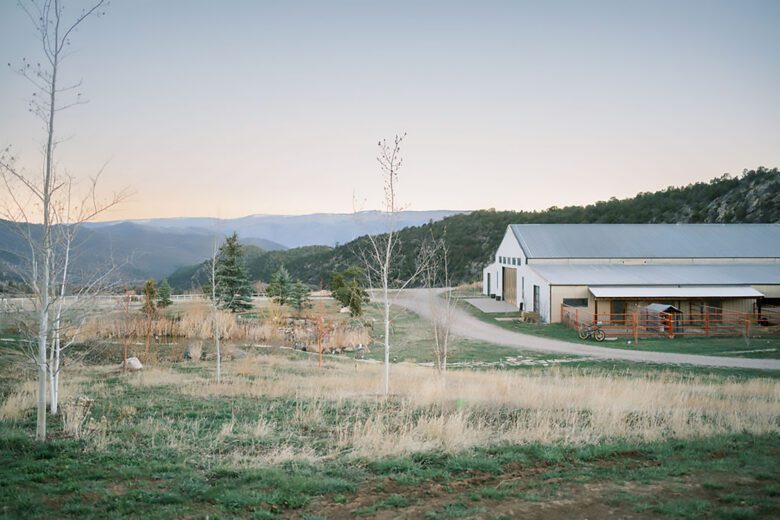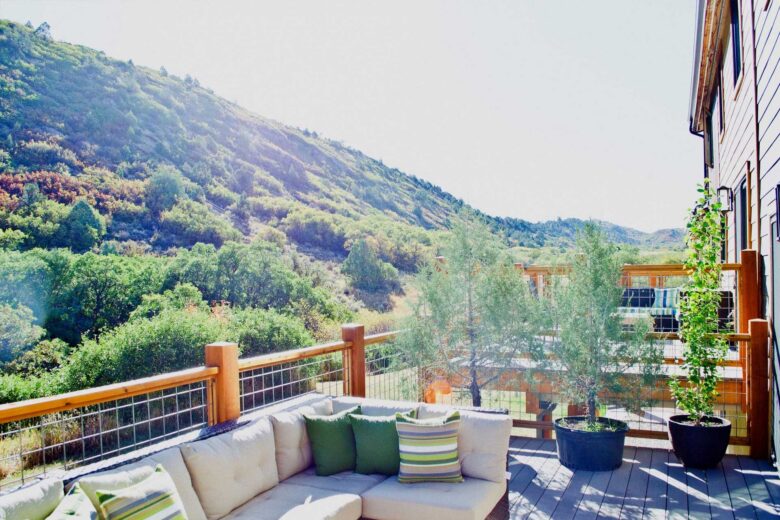

Holistic mental health care for women looks at trauma recovery as more than symptom management. It can combine licensed clinical therapy with body-based, relational, and nature-based practices that some women find useful alongside, not instead of, ongoing mental health treatment. 4Winds Farm is a private, women-only healing campus set on 134 secluded acres in Glenwood Springs, Colorado. This article explains what a holistic approach in mental health can include, who it may be suited for, and how it differs from other forms of care.
What Does “Holistic” Mean in Mental Health Care?
A holistic approach in mental health considers a person’s psychological, physical, relational, and spiritual well-being together, rather than treating each in isolation. Some clinicians describe this as attending to mind, body, and spirit as part of a single integrative trauma recovery process, since difficult experiences can affect mood, relationships, sleep, and a general sense of safety at the same time.
It’s worth being clear about what holistic care is not. It is not a replacement for licensed therapy, psychiatric care, or medical treatment, and it is not designed to treat substance use disorders, acute psychiatric crises, or medical conditions. Women experiencing a mental health emergency, or who need medical detox or stabilization, should seek immediate support from an appropriate crisis or medical provider. Holistic modalities are generally intended to complement licensed clinical care, guided by qualified professionals, not to stand in for it.
Can Holistic Practices Complement Weekly Therapy?
Weekly outpatient therapy is a well-established form of care that works well for many people, and it remains an important part of most women’s treatment plans. Some women find that adding structured, body-based, or immersive practices alongside their existing therapy gives them additional ways to engage with difficult experiences. That isn’t a sign that standard therapy has fallen short; some people simply find value in combining approaches.
Holistic therapies for mental health can include modalities such as:
- Somatic healing practices, including Somatic Experiencing®, a body-oriented approach some clinicians use alongside talk therapy
- Nervous-system regulation practices, such as breathwork and grounding exercises, which some women find supportive for managing stress responses
- Group integration sessions, where women process experiences alongside others in a supported setting
- Equine-assisted experiential therapy, which some women find helpful for practicing trust, boundaries, and communication
- Jungian-informed shadow exploration, which some clinicians use to support self-reflection and insight
- Nature-based experiences, which some women find calming and grounding
Not every modality is appropriate for every person. A licensed clinician can help determine which practices, if any, may fit a woman’s individual needs and history.
Who Might Consider a Women-Only Healing Environment?
Some women prefer a private, gender-specific setting for deeper personal work, particularly around relationships, caregiving roles, or experiences they haven’t fully discussed elsewhere. A women-only environment isn’t necessary or appropriate for everyone, but for some it can offer a greater sense of privacy and shared understanding among peers.
Women weighing this kind of setting are encouraged to talk with a licensed mental health provider about whether a women-only program with holistic elements fits their individual treatment plan and needs.
Retreats, Intensives, and Residential Care: How They Differ
Programs described as “holistic” can vary widely in length, intensity, and clinical oversight, so it helps to understand the differences before choosing one.
- Short retreats. A women’s holistic mental health retreat typically lasts a few days and offers an introduction to practices such as breathwork, nature-based activities, and group reflection. Retreats are generally not a substitute for ongoing therapy and are often used as a lower-commitment way to explore whether a more immersive setting feels right.
- Week-long intensives. These offer a longer, more concentrated period of structured programming, often combining individual sessions with group and experiential work. They remain time-limited and are typically most useful as a complement to a woman’s existing care rather than a stand-alone treatment.
- Residential care. Residential programs generally run 30 to 90 days and can include licensed individual trauma therapy along with somatic and experiential practices within a structured, daily-supported environment. Because of the time and commitment involved, residential care is typically considered when a woman and her licensed provider agree that a more immersive level of support may be appropriate.
Each format serves a different purpose, and the right fit depends on an individual’s needs, history, and current care plan, a decision best made in consultation with a licensed provider.
A Look Inside 4Winds Farm’s Approach
4Winds Farm is a private, women-only healing campus on 134 secluded acres in Glenwood Springs, Colorado. Programs are built around a combination of licensed clinical care and holistic, experiential practices, offered in a residential setting that generally runs 30 to 90 days.
Depending on the individual program, care at 4Winds may include:
- Licensed individual trauma therapy
- Somatic Experiencing®
- Nervous-system regulation practices
- Group integration sessions
- Equine-assisted experiential therapy
- Breathwork and other embodied practices
- Jungian-informed shadow exploration
- Nature-based experiences
For some clients, and only where clinically appropriate and legally supported, psychedelic-assisted therapy may also be considered as part of a broader treatment plan under professional supervision. This is not offered to, or appropriate for, every client.
4Winds Farm does not provide treatment for substance use disorders, acute psychiatric crises, or medical conditions. Women who need this level of care are encouraged to seek support from an appropriate medical or crisis provider first. You can learn more about the clinical and holistic practices offered at 4Winds, or read about the residential program structure.
Choosing a Holistic Program: Questions Worth Asking
Before enrolling in any program, it can help to ask:
- Is the program clinically licensed and supervised by qualified professionals?
- Are the specific modalities offered matched to my individual needs, rather than applied the same way to everyone?
- Is this program designed to complement, rather than replace, my existing mental health care?
- Does the program clearly explain what it does not treat, such as substance use disorders, psychiatric emergencies, or medical conditions?
- If I’m considering a shorter retreat or intensive first, is there a clear way to learn more about residential care if that later feels appropriate?
For women who want to explore options at a lower level of commitment, a short weekend retreat can be a way to learn more before deciding whether a longer stay makes sense.
Conclusion
In closing, holistic mental health for women’s trauma recovery asks for more than symptom management. It can also involve reconnecting with the body, intuition, and sense of self that trauma may have affected. At 4Winds Farm, we hold that return within 134 acres of intentional privacy, where clinical expertise and somatic wisdom move together rather than apart. If you’re wondering whether a program like this may be a good fit, we invite you to call 970-279-1114 or email admissions@4winds.farm to ask.