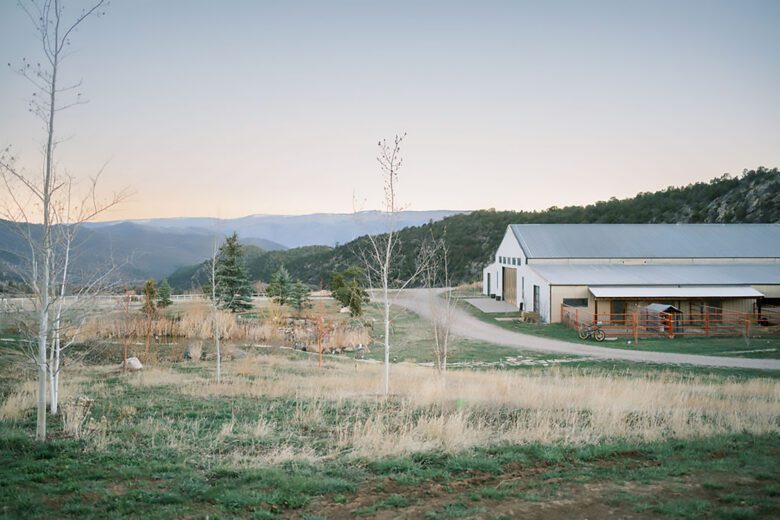

Trauma-centered care for women can combine licensed trauma therapy, body-based practices such as Somatic Experiencing®, and nervous-system regulation techniques within a private, women-only setting. 4Winds Farm offers this kind of care on 134 secluded acres near Glenwood Springs, Colorado, pairing clinical treatment with equine-assisted experiential therapy, breathwork, and nature-based experiences.
What Is Trauma-Centered Care for Women?
Trauma-centered care recognizes that trauma can affect the nervous system, emotional regulation, and relational patterns in ways that may benefit from more than one kind of support. This approach looks at the whole person, including mind, body, and lived experience, rather than focusing on a single symptom in isolation.
For some women, especially those who function well day to day while carrying unresolved trauma, understanding their patterns intellectually is only part of the picture. A trauma-centered program aims to pair clinical mental health care with somatic and experiential practices that engage the body alongside the mind.
How Does This Differ From Individual Talk Therapy?
Individual talk therapy remains a valuable and often central part of trauma recovery. A trauma-centered residential model builds on that foundation by offering it alongside additional supports, which may include:
- Licensed individual trauma therapy
- Somatic Experiencing® and nervous-system regulation practices
- Group integration with other women in the program
- Equine-assisted experiential therapy
- Breathwork and other embodied practices
- Jungian-informed shadow exploration
- Nature-based experiences
Combining these approaches does not guarantee a particular outcome, and it may not be the right fit for every woman. For some, though, it can offer additional ways to process and integrate difficult experiences alongside individual therapy.
What to Look for in a Trauma Treatment Center
Not every program described as trauma-informed offers the same depth of care. When evaluating a trauma treatment center, it can help to ask about the credentials of clinical staff, the specific modalities offered, how privacy and confidentiality are protected, and whether the setting is designed to support women specifically. A women-only, secluded environment may make it easier for some women to feel safe enough to engage fully in treatment.
How Residential Trauma Recovery Programs Are Structured
Residential trauma treatment centers create a structured environment where women can step away from daily obligations to focus on treatment. At 4Winds Farm, residential programs generally run 30 to 90 days, giving women dedicated time in a private setting, supported by licensed clinicians and a small community of peers.
Why Consider Time Away From Daily Life?
Stepping away from work and family responsibilities for an extended period can create space to focus on treatment without the usual interruptions. For some women, this dedicated time can make it easier to focus on treatment, though every woman’s circumstances and needs are different.
What Therapeutic Modalities Might Be Included?
A residential program may integrate several approaches over the course of treatment:
Where clinically appropriate and legally permitted, some programs may also incorporate psychedelic-assisted therapy as one component of a broader treatment plan. This is not suitable for every client and would be determined case by case by the clinical team.
Retreats, Intensives, and Residential Care: Knowing the Difference
Not every offering at a trauma-focused center is the same length or intensity, and it helps to understand the distinctions before choosing a path.
- Short retreats typically last a few days and give women a chance to step back, rest, and be introduced to therapeutic practices in a supportive setting.
- Week-long intensives offer a more concentrated block of therapeutic work than a retreat, condensed into about a week, as a distinct offering from full residential care, not a substitute for it.
- Residential programs, by contrast, generally run 30 to 90 days and are designed for women seeking sustained, structured treatment over an extended period.
Choosing among these options depends on a woman’s circumstances, the depth of support she is looking for, and guidance from a clinical team.
What Makes a Women-Only Healing Environment Meaningful?
A women-only setting can remove certain dynamics that some women find distracting or difficult in mixed-gender treatment environments. Combined with a secluded, private campus, this kind of setting may make it easier for some women to focus on treatment without concerns about visibility or privacy.
How Does Privacy Support the Treatment Process?
Confidentiality is a central consideration for many women exploring residential treatment, particularly those balancing careers, families, or public-facing roles. A private, secluded campus is designed to help protect that confidentiality while women are in treatment.
Is a Trauma-Focused Residential Program Right for You?
Residential trauma treatment can be a meaningful option for women who are managing daily responsibilities while carrying the effects of past trauma. It is not intended to treat substance use disorders, acute psychiatric crises, or other medical conditions; women who need those specific services are encouraged to seek appropriately specialized care. A conversation with a clinical team is the best way to determine whether a program is a good fit for an individual’s needs.
Considering a Trauma Treatment Center
Choosing a trauma treatment center is a personal decision that depends on individual history, current needs, and the level of support a woman is looking for. Programs that combine licensed clinical therapy with somatic and experiential practices, offered within a private, women-focused setting, are one option among several approaches to trauma recovery.
Conclusion
Choosing a trauma treatment center is a significant decision, and there is no single approach that fits every woman’s needs. Trauma-centered care that combines licensed clinical therapy with somatic and experiential practices, offered within a private, women-focused setting, is one option worth considering among several approaches to trauma recovery.
If you’d like to learn more about programs at 4Winds Farm, you’re welcome to call 970-279-1114 or email admissions@4winds.farm.