
What Is 4Winds Farm?
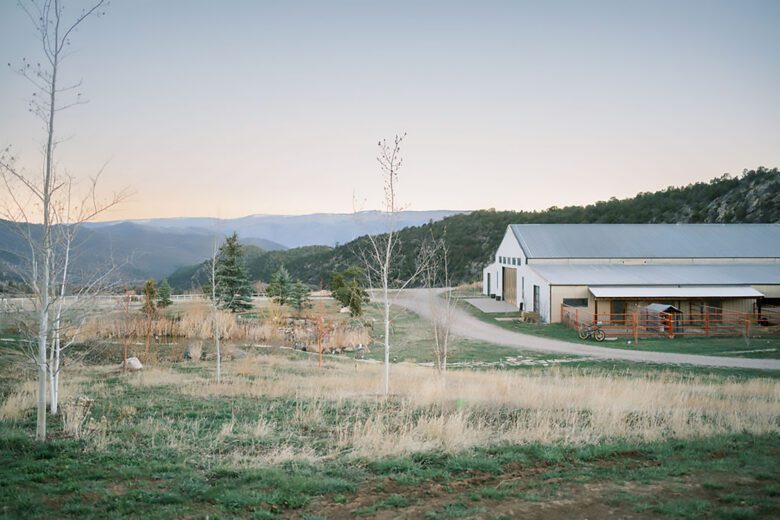
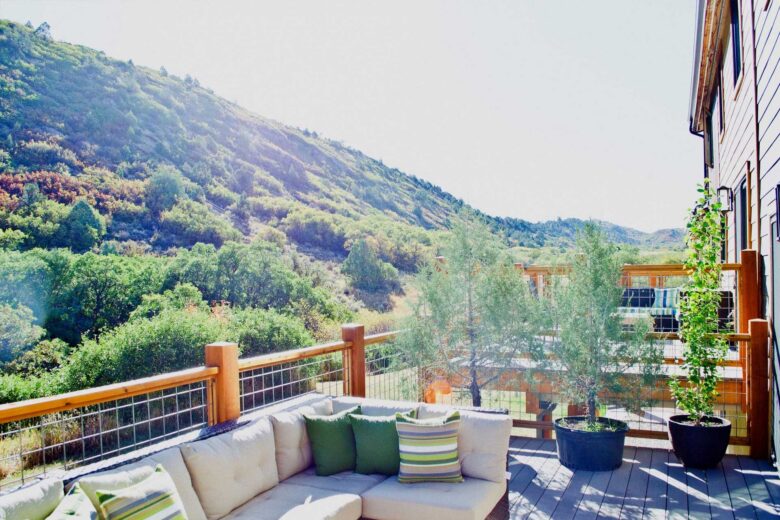
4Winds Farm is a private, women-only healing campus on 134 secluded acres in Glenwood Springs, Colorado, offering retreats, intensives, and residential programs built around women’s mental health and wellness and trauma-related support. The setting is designed to give women time and space away from daily obligations while they work with licensed clinicians and other support staff.
Many women who consider a program like this are managing full careers, households, and relationships, often while carrying experiences that haven’t had room to be addressed. Stepping away from a packed schedule can give some women the space to begin that work, though the pace and outcome of any healing process are individual. No program can promise a specific result or timeline.
4Winds Farm offers more than one way to engage, from short retreats and week-long intensives to longer residential programs. Each is structured differently, and understanding the difference matters when deciding what fits.
Short Retreats and Week-Long Intensives
Short retreats and week-long intensives at 4Winds Farm are time-limited experiences, typically a few days to about a week, built around rest, reflection, and introductory trauma-informed practices. For some women, this kind of trauma recovery retreat for women is a way to step back from daily stress, explore body-based and reflective practices, or consider whether deeper work feels right. These formats are not a substitute for ongoing clinical treatment and are not intended to resolve complex trauma on their own.
Residential Care
Residential programs at 4Winds Farm generally run 30 to 90 days, depending on individual needs and clinical recommendations. This longer timeframe allows for a more structured combination of individual therapy, group work, and body-based practices than a short stay allows. Residential care is intended for women working with a treatment team on trauma-related concerns. It is not designed for women in acute psychiatric crisis or active substance use treatment, and it is not a substitute for emergency medical care. Those situations call for emergency or specialized medical services instead.
Understanding Mental Health and Well-Being
Mental health and well-being are related but distinct ideas. Mental health typically refers to clinical diagnosis and treatment, delivered by licensed professionals. Well-being is broader: it describes a woman’s day-to-day sense of stability, connection, and functioning. Neither term should stand in for the other, and a program that addresses only one may leave gaps in the other.
Clinical treatment, including individual therapy, group work, and structured therapeutic models, targets specific symptoms and gives clinicians a way to track progress over time. This work matters on its own. For some women, symptom improvement alone doesn’t fully address how trauma has affected daily life, relationships, or their sense of safety and ease in their own body.
Why Symptom Relief and a Sense of Well-Being Aren’t Always the Same
Trauma can affect emotional regulation and relational patterns in ways that take time and a range of approaches to address. Weekly outpatient sessions work well for many people, and for others, a more immersive setting offers additional space to do that work alongside it. A woman can make progress on specific symptoms in therapy and still feel that something deeper needs attention. Considering both dimensions, clinical symptoms and day-to-day well-being, is part of how 4Winds Farm approaches program design, though experiences and outcomes vary by individual and are never guaranteed.
What Happens During Residential Care?
Residential care at 4Winds Farm combines licensed clinical therapy with body-based and group practices across the Colorado campus, in an approach some describe as holistic trauma healing in Colorado. Depending on a woman’s individual assessment and clinical recommendations, her plan may include:
- Licensed individual trauma therapy
- Somatic Experiencing®
- Nervous-system regulation practices
- Group therapy and peer integration
- Equine-assisted experiential therapy
- Breathwork and other embodied practices
- Jungian-informed shadow exploration
- Nature-based experiences on the campus grounds
Where clinically appropriate and legally supported, psychedelic-assisted therapy may also be offered as part of an individualized plan under licensed supervision. Not every element applies to every woman; a treatment team determines what fits based on individual assessment, and this list describes possible components rather than a fixed sequence every guest follows.
Being away from daily responsibilities during a residential stay can give some women more consistent time to engage with this combination of practices than a weekly outpatient schedule allows. That doesn’t mean weekly therapy is ineffective (many people benefit from it); the residential format simply offers a different rhythm that some women find useful at a particular point in their care.
How Does Group Support Fit In?
Group therapy and peer connection are part of the clinical model at 4Winds Farm rather than an informal add-on. Working alongside other women can offer a sense of shared understanding for some participants, alongside, not instead of, individual clinical care.
How Do Wellness Retreats Differ From Treatment?
Wellness retreats and week-long intensives serve a different purpose than residential treatment. Retreats and intensives focus on rest, reflection, and introductory trauma-informed practices over a short period. Residential treatment involves a longer, more clinically structured process for women working through complex trauma with a full treatment team. Both can have a place in a woman’s path, depending on what she is looking for and what a clinician recommends.
What Happens During a Retreat?
Retreats at 4Winds Farm’s Colorado campus give women a limited but focused window to step back from daily obligations, combining reflection time with body-based practices. Some women use this time to rest and reconsider daily routines; others use it to decide whether more structured care would be a helpful next step.
Retreats and intensives are not a substitute for licensed treatment and are not designed to resolve complex trauma. Women with more significant clinical needs are generally better served by residential care or ongoing outpatient treatment, and a clinician can help identify which option fits.
Choosing a Program That Fits Your Needs
Privacy and the depth of clinical support available are important factors when evaluating any program, particularly for women who want confidentiality while doing this kind of work. A program’s approach to integrative mental health care, combining licensed therapy with body-based and experiential practices such as somatic trauma therapy, is one useful way to think about fit, alongside practical factors like length of stay, cost, and location.
Questions Worth Asking
When comparing options, it can help to ask:
- What licensed clinical services are included, and who provides them?
- How is the program structured? Is it a short retreat, an intensive, or residential care?
- What is the program’s approach to body-based and experiential practices?
- How does the program support continuity of care after a stay ends?
- Is the setting appropriate for the level of clinical need involved?
What to Expect When You Reach Out
Reaching out to a program like 4Winds Farm typically starts with a conversation about a woman’s history, current needs, and goals, so any recommendation, a retreat, an intensive, or residential care, reflects her particular situation rather than a one-size-fits-all plan.
A Note on Safety
Wellness practices, body-based work, and time away from daily obligations can complement licensed mental health care for some women. They are not a replacement for it, and they do not cure or prevent any mental health condition. If you are experiencing severe or rapidly worsening symptoms, thoughts of harming yourself or others, or any other safety-related crisis, please seek immediate help from a licensed mental health professional, an emergency room, or a crisis line right away. Programs like the ones described here are not designed for emergency or crisis-level care.
Conclusion
In closing, true recovery asks for more than symptom management—it asks for space, safety, and time to reconnect body, mind, and spirit. That is what we have built at 4Winds Farm: 134 acres of quiet privacy in the Colorado Rockies where high-functioning women finally set down what they have carried alone. Here, clinical expertise and somatic wisdom work side by side, guiding each woman toward lasting clarity, integration, and a renewed sense of internal safety she can carry back into her everyday life.