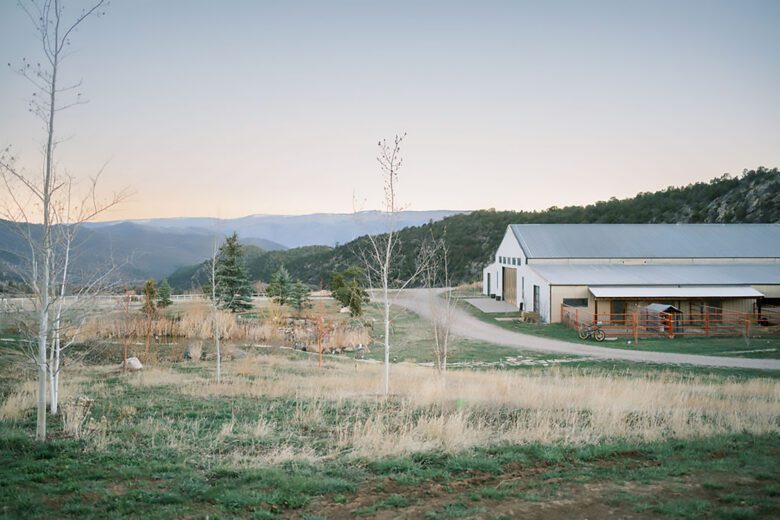

The phrase “women’s treatment center” covers a wide range of programs, from substance-use treatment and medical detox to eating disorder programs, psychiatric hospitals, crisis-stabilization units, and residential trauma recovery. Before choosing a program, it’s worth understanding exactly what a facility treats, who it serves, and what level of care it provides. 4Winds Farm is a private, women-only residential setting in Glenwood Springs, Colorado, focused specifically on trauma recovery. It is not a substance-use treatment program, medical detox facility, hospital, or crisis-stabilization unit, and it does not diagnose or treat acute psychiatric emergencies.
This guide looks at what trauma-focused residential care can involve, how it differs from short retreats and outpatient therapy, and what questions to ask when comparing a women’s trauma recovery center to other types of treatment.
What Does “Women’s Treatment Center” Actually Mean?
Because the term is used so broadly, two programs that both call themselves a women’s treatment center can offer very different services. Some are licensed substance-use or dual-diagnosis facilities. Some are medical detox units. Others focus on eating disorders, general psychiatric stabilization, or trauma recovery without a substance-use or acute psychiatric component.
Before enrolling, or referring a client or family member, it’s worth verifying:
- What the program is licensed to provide, and by which state or accrediting body
- Which population it serves, including whether it accepts co-occurring substance use, active psychiatric crises, or medical needs
- What level of care it offers (residential, partial hospitalization, intensive outpatient, or outpatient)
- What the program explicitly does not treat, and where it refers people whose needs fall outside its scope
4Winds Farm’s scope is intentionally specific: women’s trauma recovery in a private, residential setting. It does not provide substance-use treatment, detox, hospital-level psychiatric care, or crisis stabilization. People who need those services should look for a licensed provider equipped for that level of care.
Why Consider a Trauma-Focused Residential Program?
Trauma can affect anyone, and it doesn’t always look the way people expect. Someone can hold a demanding job, manage a household, and show up for the people around them while privately carrying anxiety, hypervigilance, or the lingering effects of past trauma. That isn’t a description of all women, or even most; it’s simply one pattern that can bring some people to trauma-focused care later than they might otherwise.
For some people, weekly outpatient therapy is the right level of support. Others find that a period of more concentrated, immersive care allows more sustained attention to trauma-related patterns than a weekly session alone. Neither approach is inherently better; the right fit depends on the person, the history involved, and the support already in place.
A private, women-only setting can also matter for some clients, particularly those whose history includes experiences where a mixed-gender environment could feel less comfortable. That preference is individual, not universal, and worth discussing with a clinician.
How Does Residential Care Differ From a Retreat or Intensive?
These terms are often used loosely, so it helps to be clear about what each one generally means:
- Short retreats typically last a few days and offer a structured pause from daily life. They can support reflection and stress relief, but they aren’t designed to carry someone through sustained clinical trauma work.
- Week-long intensives offer more concentrated clinical time than a retreat, often combining several therapy sessions over a short period. They can be useful for a focused goal but remain limited by design.
- Residential programs, like the programs at 4Winds Farm, generally run 30 to 90 days. That longer timeframe allows clinical therapy, body-based practices, and group work to take place over weeks rather than days, with room to revisit material gradually.
Each format serves a different purpose, and none is simply a smaller version of another. The right choice depends on a person’s goals, history, and the level of support they need, a decision best made with a clinician.
What Might Trauma-Focused Residential Care Include?
Programs vary, but trauma-focused residential care can draw on a combination of clinical and experiential approaches, which may include:
- Licensed individual trauma therapy
- Somatic Experiencing®, a body-oriented approach used alongside talk therapy
- Practices intended to support nervous-system regulation, such as grounding and breathwork
- Structured group integration with other clients in the program
- Equine-assisted experiential therapy
- Breathwork and other embodied practices
- Jungian-informed shadow exploration
- Nature-based experiences, supported by a rural setting
Where legally permitted and clinically appropriate, some programs, including 4Winds Farm, may also incorporate psychedelic-assisted therapy as one part of an individualized plan, always under licensed medical. Clinical supervision and within the bounds of applicable law.
These approaches are generally meant to complement clinical care rather than replace it. Somatic and body-based practices are typically understood as tools for building present-moment awareness and self-regulation skills; they are not a way to physically extract trauma from the body, which isn’t how trauma processing works. Outcomes vary by person, and no single approach works the same way for everyone.
What About Substance Use or Other Co-Occurring Concerns?
Trauma can coexist with other struggles, including difficulty regulating mood, strained relationships, or substance use among them. That overlap is real for some people, but it doesn’t mean every program is equipped to treat every piece of it.
4Winds Farm focuses on trauma recovery. It does not provide substance-use treatment, medical detox, or management of acute psychiatric crises. Someone whose primary concern is active substance use, withdrawal, or a psychiatric emergency needs a licensed provider for that specific level of care, ideally before, or instead of, a trauma-focused residential stay. A trauma-focused program may still be a meaningful next step once someone is medically stable, but it isn’t a substitute for that care.
Questions to Ask When Comparing Programs
When evaluating a women’s treatment center, women’s trauma recovery center, or any residential mental health program, it can help to ask directly:
- Is the facility licensed, and for what type of care?
- What population does it serve, and what does it explicitly exclude?
- What clinical credentials do the therapists and facilitators hold?
- Is medical support available on-site, and for what situations?
- How long do programs typically run, and how is progress reviewed along the way?
- What does confidentiality look like in practice?
- What kind of aftercare or integration support is offered after someone leaves?
A program that answers these questions clearly and specifically is easier to evaluate honestly than one that relies on general claims about transformation or healing.
About 4Winds Farm
4Winds Farm operates on 134 secluded acres in Glenwood Springs, Colorado, as a private, women-only residential setting for trauma recovery. Programs generally run 30 to 90 days and combine licensed individual trauma therapy with body-based and experiential practices in a rural, nature-based environment.
4Winds Farm is not a substance-use treatment program, medical detox facility, hospital, or crisis-stabilization unit, and it does not diagnose medical or psychiatric conditions. It is designed for women who are medically and psychiatrically stable and are looking for dedicated time and space to work on trauma-related patterns alongside licensed clinicians.
Conclusion
Women’s treatment centers provide different services, and fit depends on individual clinical and medical needs. To ask whether a current 4Winds Farm program may fit your needs, call 970-279-1114 or email admissions@4winds.farm.