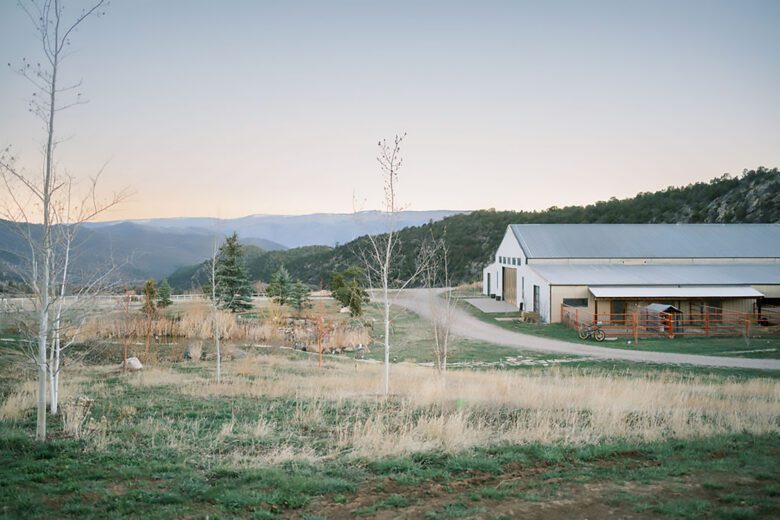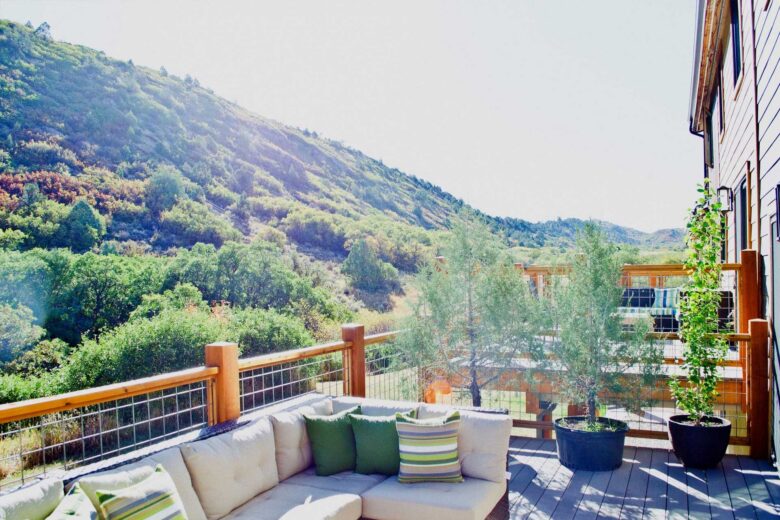
“Women’s recovery program” is a broad label. It can describe substance-use treatment, hospital-based psychiatric care, crisis stabilization, short wellness retreats, or longer trauma-focused programs, and these are not interchangeable. 4Winds Farm is a private, women-only healing campus on 134 secluded acres near Glenwood Springs, Colorado, that focuses specifically on trauma recovery through licensed therapy and integrative, body-based practices. It is not a substance-use treatment center, a detox facility, a hospital, or a crisis program, and women who need those services are better served by a provider equipped for them.
This guide looks at how women’s trauma recovery programs in Colorado differ, from brief retreats to week-long intensives to longer residential care, so you can compare options with a clearer sense of what each one actually offers.
What “Recovery Program” Can Mean
Because the term is used so loosely, it helps to separate a few categories before comparing specific programs:
- Substance-use treatment and detox: medically supervised care for withdrawal and addiction, typically involving physicians and psychiatric staff.
- Hospital or crisis-level psychiatric care: short-term, medically supervised stabilization for acute mental health crises.
- Trauma-focused therapeutic programs: care centered on processing past trauma through licensed therapy and supporting practices, generally for women who are medically stable.
- Wellness retreats: shorter, less clinically intensive experiences focused on education, reflection, or general well-being.
4Winds Farm sits in the third category. Women who are in active withdrawal, in psychiatric crisis, or who need medical detox should seek care from a hospital or licensed medical detox provider first.
Retreats, Intensives, and Residential Care: What’s the Difference?
Not every women’s program runs the same length or offers the same depth of care. Understanding the difference can help you match the format to your circumstances.
A trauma-informed women’s retreat in Colorado can be a meaningful first step or a helpful supplement to ongoing therapy, but a few days of programming is a different kind of experience than sustained residential care. 4Winds Farm’s core program is residential, generally spanning 30 to 90 days, because trauma work of this kind can take sustained time and consistency for some women.
What Residential Trauma Care at 4Winds Farm May Include
4Winds Farm is designed as a women-only environment on a secluded, private campus, which some women find supports a greater sense of privacy while doing sensitive therapeutic work. Care is individualized, so not every element applies to every resident, but programming may draw on:
- Licensed individual trauma therapy: one-on-one sessions with a licensed mental health clinician
- Somatic Experiencing®: a body-oriented therapeutic approach used alongside talk therapy
- Nervous-system regulation practices: techniques that may support a greater sense of calm for some people over time
- Group integration: structured group sessions where residents process and share experiences
- Equine-assisted experiential therapy: guided sessions with horses used as part of the therapeutic process
- Breathwork and other embodied practices: guided breathing and movement practices offered alongside clinical therapy
- Jungian-informed shadow exploration: reflective work that draws on Jungian concepts to explore unconscious patterns
- Nature-based experiences: time spent in the surrounding landscape as part of the daily program
Where legally supported and clinically appropriate, psychedelic-assisted therapy may also be offered as part of a woman’s individualized care plan, under applicable state law and clinical oversight.
How Somatic and Body-Based Approaches Are Used
Many trauma-informed clinicians pay attention to the connection between the body and stress responses, not just thoughts and behavior. Somatic Experiencing® is one such approach: it works alongside talk therapy to help a person build awareness of physical sensations associated with stress. For some women, this additional layer of attention can be a useful complement to individual therapy. It is not presented here as a replacement for licensed clinical care, nor as a guaranteed outcome.
It’s also worth noting that weekly outpatient therapy is effective for many people. Residential care isn’t a replacement for outpatient therapy in every case. It’s a different format that some women choose when they want a more concentrated period of structured, supported time.
Equine-Assisted and Other Experiential Practices
Equine-assisted experiential therapy is one of the practices used at 4Winds Farm alongside licensed clinical therapy. Working with horses in a guided setting can offer some women an opportunity to practice communication, boundary-setting, and self-awareness in a low-pressure environment. Breathwork, embodied movement, and nature-based time outdoors are offered in a similar spirit, as complements to clinical therapy, not as stand-alone treatment.
Who Might Consider a Women-Only Residential Trauma Program
A residential, trauma-focused program like 4Winds Farm may be worth considering for a woman who:
- Has already engaged in some form of therapy and is looking for a more structured, immersive period of trauma-focused work
- Is medically stable and not in need of detox or acute psychiatric stabilization
- Wants a women-only setting and values privacy while doing this work
- Is interested in combining licensed therapy with somatic and experiential practices
It is not designed for women who need substance-use detox, hospital-level psychiatric care, or emergency crisis intervention. If you’re unsure which category applies, a conversation with a treatment provider or your current therapist can help clarify the right next step.
Questions Worth Asking When Comparing Programs
When comparing women’s trauma recovery programs in Colorado, or elsewhere, it can help to ask:
- Is the program licensed, and who provides the clinical therapy?
- Is this a retreat, an intensive, or a residential program, and how long does it typically run?
- Does the program treat substance use or medical conditions, or is it focused specifically on trauma?
- What experiential or body-based practices are offered, and how are they integrated with licensed therapy?
- What does a typical day or week look like?
Conclusion
Women’s recovery programs vary in format, duration, and clinical scope. To ask whether a current 4Winds Farm retreat, intensive, or residential program may fit your needs, call 970-279-1114 or email admissions@4winds.farm.