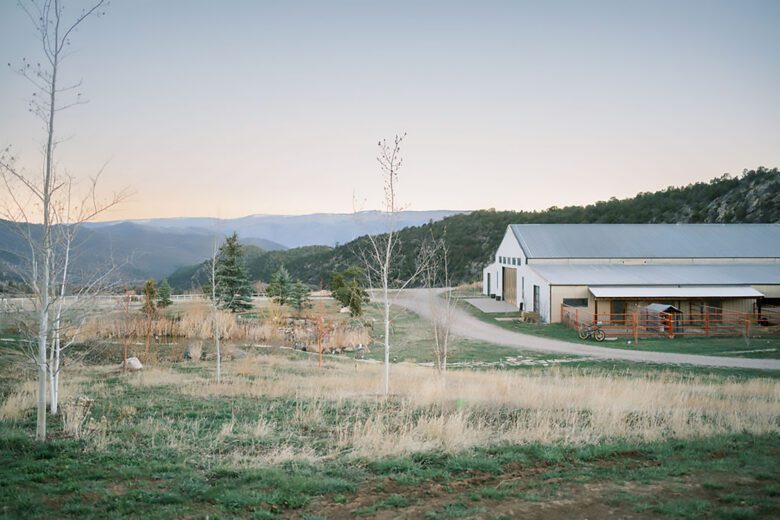

“Recovery center” is a broad, non-regulated label. It can describe a substance-use treatment facility, a psychiatric hospital, a short wellness retreat, or a residential trauma program, and the differences between these settings matter a great deal. This guide looks at what trauma-focused residential care for women actually involves, using 4Winds Farm, a private healing campus in Glenwood Springs, Colorado, as a reference point, so a program can be evaluated on what it actually offers rather than on its name alone.
Why “Recovery Center” Can Mean Very Different Things
Because the term isn’t regulated, two programs that both call themselves a “recovery center” may offer very different levels of care. One might be a medical detox facility. Another might be an unlicensed wellness retreat with no clinical staff on site. Before considering any program, it’s worth asking directly what license or accreditation it holds, what it treats, and what its clinical team actually provides day to day.
What 4Winds Farm Is, and Isn’t
4Winds Farm is a private, women-only healing campus on 134 secluded acres near Glenwood Springs, Colorado. It offers trauma-focused residential care for women working through the effects of past trauma.
4Winds Farm is not a substance-use treatment or detox facility, a hospital, or a crisis stabilization unit, and it is not designed to manage acute psychiatric emergencies or medical detoxification. Women who are in active crisis, who need medical detox, or who require emergency psychiatric stabilization need a different level of care. A thorough intake conversation should always confirm whether a program’s scope of care matches what a prospective client actually needs.
Residential Care, Retreats, and Intensives Are Not the Same
Programs describing themselves as trauma-focused care for women generally fall into a few different formats, and it helps to know which one is actually being offered:
A short retreat or intensive can be a meaningful starting point for some women, but it is a different level of engagement than an extended residential stay. Weekly outpatient therapy is also a valid option that works well for many people; residential care is simply a more immersive setting that some women choose when they want dedicated time away from daily responsibilities.
What Care May Include at 4Winds Farm
Residential programming at 4Winds Farm generally draws on a combination of clinical and experiential approaches. Depending on an individualized care plan, this may include:
- Licensed individual trauma therapy
- Somatic Experiencing®
- Nervous-system regulation practices
- Group integration sessions
- Equine-assisted experiential therapy
- Breathwork and other embodied practices
- Jungian-informed shadow exploration
- Nature-based experiences on the campus grounds
In select cases, where clinically appropriate and legally supported, psychedelic-assisted therapy may also be considered as part of a woman’s care plan. This determination is made individually by the clinical team; it is not a standard part of every stay.
Somatic and nervous-system-focused practices are included because, for some women, talk therapy alone doesn’t address every dimension of how they’re affected by past experiences. These practices are intended to complement licensed therapy, not replace it. Not every element listed above is part of every woman’s program, and outcomes vary from person to person.
What to Look for When Evaluating a Program
A few questions can help in evaluating any program calling itself a women’s recovery center or a trauma treatment facility:
- Is it licensed and accredited? Ask what state licensing or accreditation the program holds, and what that specifically covers.
- What is the actual scope of care? Ask the program to state, in writing, what it treats, and what it does not treat, including substance use, medical conditions, or psychiatric emergencies.
- Is the environment gender-specific, if that matters? Some women feel more comfortable discussing trauma in a women-only setting; others have no particular preference.
- Who provides the therapy? Ask about the credentials of the clinical staff who will be working directly with clients.
- How individualized is the plan? A program that adapts its approach to a woman’s specific history differs from one that applies the same protocol to everyone.
Is Residential Trauma Care a Fit for You?
Residential trauma-focused care can be a meaningful option for some women who feel that stepping away from daily responsibilities would help them focus on this work, particularly if weekly outpatient therapy hasn’t felt like enough space on its own. It is not the right fit for everyone, and it is not a substitute for medical or psychiatric care when those needs are present. A conversation with a qualified clinician, at 4Winds Farm or elsewhere, is the best way to sort out what level of care fits a specific situation.
Conclusion
Women’s recovery centers provide different services, and trauma-focused residential care is one option among several. To ask whether a current 4Winds Farm program may fit your needs, call 970-279-1114 or email admissions@4winds.farm.