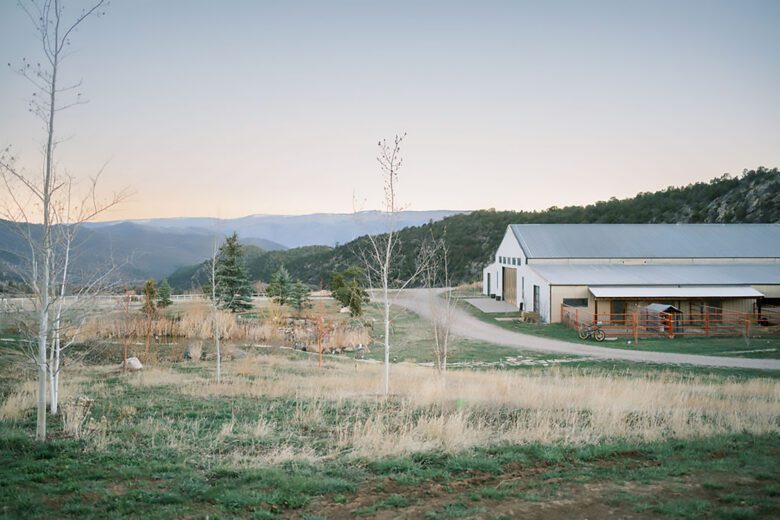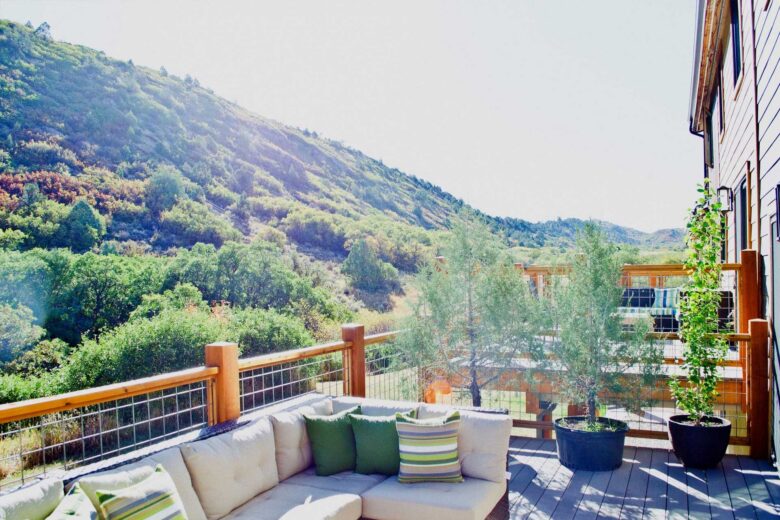

4Winds Farm is a private, women-only healing retreat and residential campus on 134 secluded acres in Glenwood Springs, Colorado. Care is offered in more than one format, from short retreats and week-long intensives to residential programs generally structured over 30 to 90 days. It is built around licensed trauma therapy alongside somatic and experiential practices.
Because every woman’s history, needs, and circumstances differ, this article outlines what a women’s trauma retreat can involve, how it differs from residential trauma treatment for women, and how both relate to ongoing outpatient therapy. An admissions or clinical professional can help a woman think through which option, if any, may be a fit for her.
What is a women’s trauma retreat?
A women’s trauma retreat, sometimes described as a trauma healing retreat for women or a somatic trauma recovery retreat, is typically a time-limited program, from a few days to about a week, that offers women a structured pause from daily responsibilities. It is not the same as residential trauma treatment: it is shorter, less clinically intensive, and is not designed to diagnose or treat PTSD, depression, or any other mental health condition, and it does not replace ongoing therapy. For some women, a retreat can serve as an introduction to practices they later explore in more depth through a longer program.
How do short retreats, week-long intensives, and residential programs differ?
These formats differ in depth and structure, and a short retreat is not a substitute for residential trauma treatment for women when more sustained clinical support may be needed. An admissions team can help a woman consider which option may fit her circumstances.
Who might consider a women’s trauma retreat?
Women consider a women’s trauma retreat or residential program for a range of reasons: some are managing the effects of past trauma alongside careers and family responsibilities, while others are looking for dedicated time to focus on their well-being. Experiences and needs vary widely from woman to woman, and a retreat is not a diagnostic tool or a guarantee of any particular outcome.
Women who are in an acute psychiatric crisis, managing an active substance use disorder, or dealing with an unstable medical condition should seek appropriate emergency, medical, or higher level of care first. 4Winds Farm’s programs are trauma-focused and are not designed to treat these conditions.
What is included in care at 4Winds Farm?
Care at 4Winds Farm is individualized, and not every element applies to every woman. Depending on clinical appropriateness, a program may include:
Licensed individual trauma therapy
Somatic Experiencing® and nervous-system regulation practices
Group integration and community-based support with other women
Equine-assisted experiential therapy
Breathwork and other embodied practices
Jungian-informed shadow exploration
Nature-based experiences across the Colorado campus
Where clinically appropriate and legally supported, psychedelic-assisted therapy
What does Somatic Experiencing® involve?
Somatic Experiencing® is an approach that attends to physical sensations alongside a person’s thoughts and emotions, with the aim of supporting nervous-system regulation over time. It is typically used alongside, not instead of, talk therapy. Experiences with this approach vary from woman to woman, and it is not a guaranteed or singular path to healing.
What role do equine-assisted and other experiential practices play?
Equine-assisted therapy, breathwork, and other embodied or nature-based practices give some women a different way to notice and work with their emotional responses, outside of a traditional talk-therapy setting. For some women, time with horses or similar practices can support a sense of connection and calm; experiences differ, and these practices are offered as one part of a broader, individualized program rather than as a stand-alone treatment.
Why is the setting women-only?
As a women-only healing retreat, 4Winds Farm’s campus is designed to support privacy and a sense of shared understanding among participants. This structure may feel supportive to some women; it will not be the right fit for everyone, and no setting can guarantee a particular emotional experience or outcome.
How does a retreat or residential program relate to ongoing therapy?
Outpatient therapy and immersive programs serve different needs. Outpatient care allows women to receive ongoing support while remaining in daily life, while an immersive program offers a defined period with more sustained structure. Neither format is inherently better than the other, and an immersive program is not a replacement for ongoing therapy. Many women continue outpatient care before, during, or after a retreat or residential stay. An admissions or clinical professional can help a woman consider which level of support may fit her circumstances.
What 4Winds Farm does not provide
4Winds Farm’s programs are designed for trauma-focused retreat and residential care. They are not designed to treat substance use disorders, manage acute psychiatric emergencies, or provide medical treatment for physical health conditions. Women with these needs are encouraged to seek care from an appropriate medical, psychiatric, or crisis provider before or alongside considering a program at 4Winds Farm.
Conclusion
In closing, a women’s trauma retreat succeeds when it honors both the nervous system and the spirit, and that is the foundation we’ve built into every acre of our Colorado campus. Here, high-functioning women who have carried unresolved trauma quietly for years finally have room to set it down, supported by licensed clinical care, somatic practices, and a private, women-only community. Healing is not rushed here. It is witnessed, integrated, and carried forward into lasting internal safety and clarity.