
“Emotional trauma” is a broad, non-diagnostic phrase people use to describe distressing experiences that can overwhelm a person’s ability to cope. It is not a clinical diagnosis, and it can look different from woman to woman. For persistent or severe symptoms, including thoughts of self-harm, an inability to function day to day, or a suspected condition such as PTSD, a qualified evaluation from a licensed mental health professional is the appropriate next step. Anyone in immediate crisis should contact emergency services or a crisis line.
This article looks at what emotional trauma can involve, how outpatient, intensive, and residential support options differ, and what care at 4Winds Farm, a private, women-only residential program in Glenwood Springs, Colorado, may include. Approaches to healing emotional trauma vary by person, and no single path works the same way for everyone.
What Is Emotional Trauma?
Emotional trauma generally refers to experiences that overwhelm a person’s usual ways of coping. It can stem from a single event or from repeated experiences over time. Because it’s a descriptive term rather than a diagnosis, two women who each describe “emotional trauma” may be dealing with very different histories, symptoms, and needs.
Common sources people describe include:
- Single-incident experiences: an accident, an assault, or a sudden loss
- Complex or developmental experiences: repeated exposure to abuse, neglect, or instability, often during childhood
- Vicarious or secondary exposure: witnessing others’ suffering, sometimes seen in caregiving professions
- Ongoing systemic stressors: experiences of discrimination, racism, or marginalization over time
Emotional abuse recovery in particular often involves untangling patterns formed over months or years, which is one reason many women benefit from working with a licensed therapist who can help identify what’s actually going on before choosing a path forward.
How Trauma May Relate to the Body and Mind
Researchers have studied how distressing experiences can relate to brain regions involved in threat detection, memory, and emotional regulation, including the amygdala, hippocampus, and prefrontal cortex. This is an active and evolving area of research, and individual experiences vary. It isn’t accurate to say trauma is stored in a specific place in the body or that any single practice can release or reset it. What can be said more simply is that some women who have been through difficult experiences report ongoing anxiety, difficulty relaxing, trouble trusting others, emotional numbness, or intrusive memories.
Approaches that address both mind and body, sometimes described as mind body trauma healing, are one option some women explore alongside, not instead of, licensed mental health treatment. This may include talk therapy combined with body-oriented practices such as Somatic Experiencing® or nervous-system regulation techniques. Outcomes vary by individual, and these approaches are not a guaranteed or universal solution.
Outpatient, Intensive, and Residential Support: What’s the Difference?
Women considering trauma recovery for women generally have a few different formats to choose from, and each serves a different purpose.
- Outpatient therapy: regular sessions with a licensed therapist, often weekly. For many women, this is effective, sustainable support, and it may be the right fit on its own or alongside other options.
- Short retreats and week-long intensives: programs lasting anywhere from a few days to roughly a week, often focused on rest, reflection, or introductory experiential work. These are not a substitute for residential clinical treatment and are usually not designed to provide the same clinical oversight or depth of care.
- Residential programs: live-in programs, generally running 30 to 90 days, that provide extended time away from daily responsibilities alongside licensed clinical care. This format may suit women who feel that outpatient sessions alone haven’t given them enough sustained time and structure to work through what they’re carrying.
None of these formats can promise a particular outcome, and what works well for one woman may not work the same way for another.
What Care at 4Winds Farm May Include
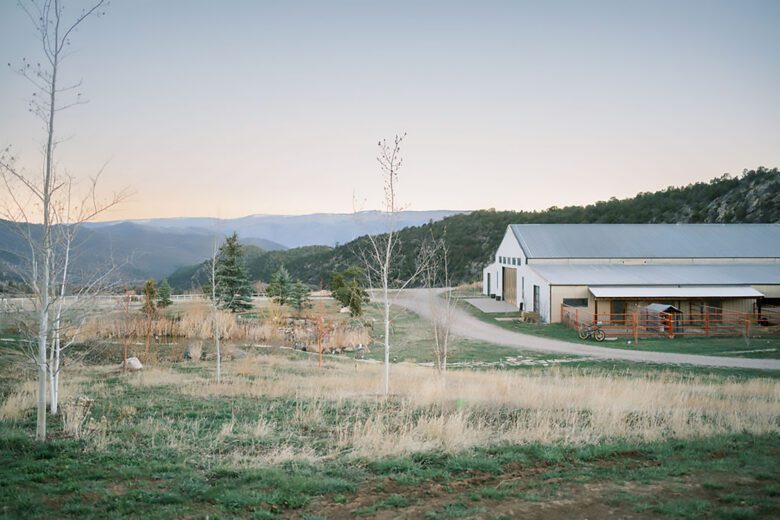
4Winds Farm is a private, women-only residential program on a 134-acre campus in Glenwood Springs, Colorado. Programs generally run 30 to 90 days and are individualized, meaning not every woman receives every service described below. The specific combination of care depends on each woman’s needs and clinical assessment.
Depending on the individualized plan, care may include:
- Licensed individual trauma therapy
- Somatic Experiencing® and nervous-system regulation techniques
- Group integration with other women in the program
- Equine-assisted experiential therapy
- Breathwork and other embodied practices
- Jungian-informed shadow exploration
- Nature- and land-based experiences on the campus
For some clients, and only where clinically appropriate and legally permitted, psychedelic-assisted therapy may be considered as part of an individualized treatment plan under clinical supervision.
4Winds Farm’s programs are focused on emotional and trauma-related support. They are not designed to treat substance use disorders, acute psychiatric crises, or medical conditions, and women with those needs are encouraged to seek care from providers licensed to treat them. The women-only, secluded setting is intended to offer privacy and fewer day-to-day distractions. It does not by itself produce a particular psychological outcome, and any benefit depends on the clinical work done during the program.
Considering Books, Retreats, or a Residential Program
Books and educational resources on trauma can offer helpful language and frameworks for understanding one’s own patterns, and they’re often a reasonable starting point. They provide intellectual understanding, but reading alone doesn’t involve the kind of guided clinical or somatic work that a licensed program can offer.
An approach that combines integrative mental health care (licensed clinical therapy alongside somatic and experiential practices) may help some women connect intellectual understanding with lived experience, though results vary and no program can guarantee a specific result.
When to Seek Additional Support
If symptoms are persistent, worsening, or interfering with daily functioning, or if there is any risk of harm to yourself or others, please reach out to a licensed mental health provider or emergency services rather than waiting. This article is intended for general information and is not a substitute for a professional evaluation.
A Private Setting for Individualized Care
4Winds Farm’s 134-acre, women-only campus in Glenwood Springs, Colorado, offers a private, secluded setting for women seeking residential trauma-related support. Care is individualized, developed with licensed clinicians, and may draw on the range of practices described above depending on each woman’s needs and goals. We don’t promise a specific outcome or timeline. Recovery looks different for each woman, and residential care is one option among several worth considering.
Conclusion
In the end, healing emotional trauma is not about pushing through—it is about finally being allowed to stop, feel, and integrate. For high-functioning women who have carried unresolved pain while holding everything together, true recovery asks for more than coping tools; it asks for safety, space, and a return to the body’s own wisdom. At 4Winds Farm, that healing unfolds on 134 private acres in the Colorado Rockies, where clinical care and spiritual practice meet—so women can move beyond survival into lasting clarity, wholeness, and peace.