
Surviving physical abuse is an act of incredible strength. Physical injuries may heal over time. However, the emotional and psychological effects of abuse often last much longer. Many women continue living with fear or anxiety. They can also experience hypervigilance or a loss of confidence. This can happen long after the abuse has ended.
Healing isn’t only about leaving an abusive situation. It’s also about rebuilding a sense of safety and learning to trust yourself again. Both your body and mind can recover from the effects of trauma.
At 4Winds Farm, we understand that every woman’s experience is unique. The abuse may have occurred in childhood, within a marriage, other relationships, or another setting. Regardless, recovery deserves compassionate, personalized care.
Our women’s healing retreats provide trauma-informed treatment. This supports emotional healing, nervous system regulation, and lasting recovery.
Below, you’ll learn more about the effects of surviving physical abuse. You’ll find out about common trauma symptoms and how healing is possible. Also, you can contact 4Winds Farm today to learn about our Women’s healing retreats in Colorado.
What is Physical Abuse?
Physical abuse is the intentional use of physical force to cause harm, injury, fear, or intimidation. It can occur in intimate relationships, families, workplaces, or other environments. Power and control can lead to physical abuse. Examples include:
- Hitting or punching
- Slapping
- Kicking
- Shoving
- Choking or strangulation
- Restraining someone against their will
- Throwing objects
- Burning
- Using or threatening to use weapons
- Blocking someone from leaving
- Physically intimidating or threatening violence
Physical abuse rarely occurs in isolation. Many survivors also experience emotional abuse, verbal abuse, and psychological manipulation. There can be coercive control, financial abuse, or sexual abuse. These experiences often reinforce one another. As a result, lasting emotional wounds can extend beyond the physical injuries.
The Lasting Effects of Physical Abuse
The effects of physical abuse don’t always end when the abuse stops.
For many women, surviving abuse changes how they experience the world. Everyday situations may begin to feel unsafe. Relationships can become more difficult. Confidence may decline, and trusting others or yourself may feel impossible.
Trauma can affect nearly every aspect of life. This can include:
- Emotional well-being
- Mental health
- Physical health
- Sleep
- Relationships
- Self-esteem
- Decision-making
- Sense of safety
Many survivors also develop coping strategies. They may have helped with staying safe during the abuse. However, these can become difficult to let go of afterward. These responses are understandable. They often reflect the body’s attempt to protect itself.
Common Symptoms After Physical Abuse
Every woman’s experience is different. However, trauma often affects both the mind and body.
Emotional Symptoms
Women who have survived physical abuse may experience:
- Persistent fear
- Anxiety
- Depression
- Shame
- Guilt
- Anger
- Emotional numbness
- Difficulty feeling safe
- Hypervigilance
- Low self-worth
These emotions may continue long after the abuse has ended.
Physical Symptoms
Trauma often has physical effects as well. Common symptoms include:
- Chronic fatigue
- Difficulty sleeping
- Nightmares
- Muscle tension
- Chronic pain
- Headaches
- Digestive concerns
- Increased startle response
- Feeling physically on edge
These symptoms often reflect how prolonged trauma affects the nervous system.
Cognitive Symptoms
Many survivors also notice changes in thinking and concentration. These may include:
- Difficulty focusing
- Intrusive memories
- Self-blame
- Racing thoughts
- Memory problems
- Difficulty making decisions
- Constant worry
Women sometimes question why they cannot simply move on. Trauma can change how the brain processes memories. This can impact responses to perceived danger. It’s complex and recovery can require more than willpower alone.
Contact 4Winds Farm today to learn about our Women’s healing retreats in Colorado.
Behavioral Changes
Trauma may also influence daily behaviors. Some women begin to:
- Withdraw from family and friends
- Avoid dating or close relationships
- Struggle to trust others
- Become overly independent
- People-please to avoid conflict
- Isolate themselves
- Overwork to stay distracted
- Develop unhealthy coping habits
It’s a good step learning to recognize these patterns. This can lead to seeking help and long-term healing.
How Trauma Affects the Nervous System
Surviving physical abuse changes more than thoughts and emotions. It can also affect the nervous system.
When faced with danger, the body naturally responds through survival mechanisms. This includes fight, flight, freeze, or fawn. These responses sometimes help protect us during threatening situations.
For women living with ongoing abuse, the nervous system may remain in survival mode. Even after the abuse ends, the body may continue in this state. It can respond as though danger is still present. This can lead to:
- Hypervigilance
- Difficulty relaxing
- Sleep disturbances
- Feeling constantly on edge
- Strong reactions to unexpected sounds or touch
- Emotional overwhelm
- Difficulty trusting others
These responses aren’t signs of weakness. They’re adaptive survival mechanisms. They often require time and therapeutic support to heal.
Rebuilding Safety After Physical Abuse at 4Winds Farm
Healing often begins by restoring a sense of safety. For many survivors, this process involves more than physical safety. Emotional safety is equally important.
Recovery may include learning to:
- Trust your instincts again
- Establish healthy boundaries
- Recognize healthy relationships
- Build self-confidence
- Practice self-compassion
- Develop supportive friendships
- Feel comfortable expressing emotions
Progress is rarely linear. Some days feel hopeful, while others bring unexpected emotional triggers. Both experiences are normal parts of recovery.
Healing After Physical Abuse
Trauma can have lasting effects. However, healing is possible.
Many women benefit from evidence-based therapies. These can address both emotional experiences and the body’s response to trauma. Treatment may include:
- Individual psychotherapy
- Trauma-informed counseling
- Somatic therapy
- Nervous system regulation
- Mindfulness practices
- Group therapy
- Experiential therapies
- Personalized treatment planning
Healing goes beyond only focusing on managing symptoms. Treatment can help women process traumatic experiences and strengthen emotional resilience. Women can develop healthier ways of relating to themselves and others.
The Importance of Self-Compassion During Recovery
Many survivors unfairly blame themselves for what happened. Some wonder why they stayed. Others question whether they should have recognized warning signs.
These thoughts are common after abuse. However, responsibility always belongs with the person who chose to abuse.
Healing often involves replacing self-criticism with self-compassion. This means recognizing the strength it took to survive. At the same time, allowing yourself kindness and understanding you would offer someone you love.
Recovery isn’t about judging the past. It’s about creating a healthier future.
Trauma Recovery at 4Winds Farm
At 4Winds Farm, we recognize that healing after physical abuse involves more than treating symptoms. Our approach addresses emotional, physical, and psychological effects of trauma.
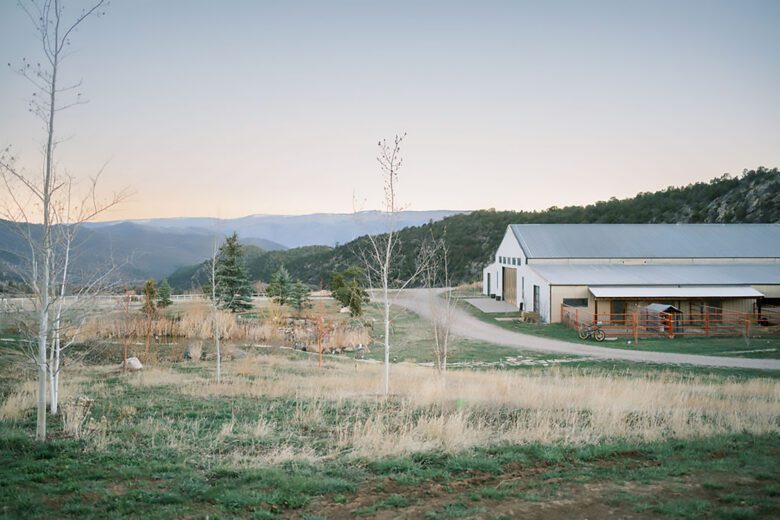
Located on a private campus in the Colorado Rockies, 4Winds Farm offers women a peaceful environment. You can step away from daily pressures and focus on healing.
We personalize every treatment plan. This may include:
- Licensed mental health therapy
- Trauma-informed care
- Somatic therapy
- Nervous system regulation
- Experiential therapies
- Group healing experiences
- Integrative mental health care
Our goal is to help women move beyond survival. You can begin rebuilding your life rooted in confidence, safety, and hope.
A Private Women’s Healing Retreat in Colorado
The healing environment can play a big role in recovery.
4Winds Farm provides a confidential, women-only setting. Survivors can focus on healing with compassionate clinical support. Women may benefit from:
- A confidential admissions process
- Women-only programming
- Personalized treatment plans
- A peaceful natural environment
- Community and connection
- Space away from daily responsibilities
It can be useful to step away from everyday demands. This allows many women to fully engage in the healing process. You can develop new tools for long-term recovery.
Healing is Possible After Physical Abuse
Surviving physical abuse can change you in many ways. You may see yourself and the world in a different light. However, abuse doesn’t define who you are or what your future can become.
Healing isn’t about forgetting what happened. It’s about processing your experiences. You can rebuild trust in yourself and create a life where fear no longer controls you.
At 4Winds Farm, we believe every woman deserves the opportunity to heal in a safe, supportive environment. You’ll find trauma-informed care, personalized treatment, and holistic healing. You can rediscover your strength, build resilience, and move forward with hope.
If you’re ready to begin healing after surviving physical abuse, contact 4Winds Farm today.
Frequently Asked Questions
What is physical abuse?
Physical abuse is the intentional use of force. It’s to cause pain, injury, fear, or intimidation. It may include hitting, kicking, choking, restraining, shoving, or threatening physical violence.
Can physical abuse cause long-term trauma?
Yes. Many survivors experience lasting emotional, psychological, and physical effects. This can be long after the abuse has ended. Trauma can affect relationships, sleep, confidence, and overall well-being.
What are the emotional effects of physical abuse?
Common emotional effects include anxiety, depression, fear, and shame. There can also be guilt, emotional numbness, hypervigilance, and difficulty trusting others.
Why do I still feel unsafe after the abuse is over?
Trauma can keep the nervous system in a heightened state of alertness. Feeling on edge or hypervigilant is a common trauma response. It doesn’t mean you’re weak or failing to heal.
Can I recover after surviving physical abuse?
Yes. With support and evidence-based treatment, many women experience meaningful healing. You can improve emotional well-being and build healthier relationships.
What therapies help with physical abuse trauma?
Treatment may include trauma-informed psychotherapy, somatic therapy, or nervous system regulation. There are also mindfulness practices, experiential therapies, and group support.
How long does healing take?
Recovery is different for every woman. Many factors influence the healing process. This includes the duration of the abuse, available support, and personal treatment needs.
4Winds Farm for Women’s Healing Retreat After Physical Abuse
At 4Winds Farm, we specialize in trauma-informed recovery. Our women’s healing retreats offer privacy, clinical care, and personalized treatment. You’ll find a supportive environment to focus on healing away from everyday pressures.
Our women’s wellness retreats in Colorado provide a safe and restorative environment. When you’re ready, schedule a private consultation. You can learn more about our therapies and programs.